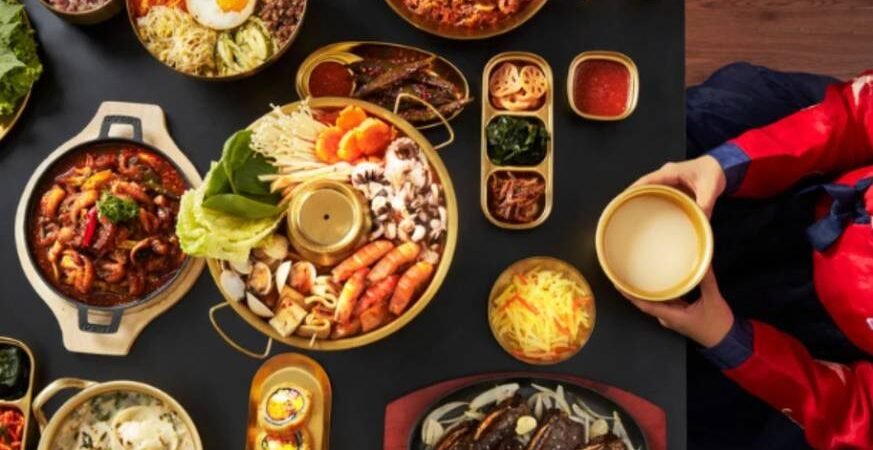
I find the idea of a personal comfort food menu more revealing than any restaurant menu. One person wants buttery toast after an exhausting day; another reaches for rice, lentils, or noodle soup. Understanding how childhood meals shape comfort food preferences means looking beyond ingredients.
Familiar dishes can carry memories of caregivers, predictable routines, celebrations, and places we once called home. Their appeal often comes from both the flavor we learned to enjoy and the meaning that developed around it.
Why Childhood Meals Leave Lasting Impressions
Childhood provides countless opportunities to learn what food tastes like and what eating feels like. Meals introduce flavors alongside voices, surroundings, expectations, and emotions.
A bowl of porridge might accompany quiet mornings before school. A particular soup might arrive when someone feels unwell. Over time, these repeated experiences can make certain dishes feel familiar and personally meaningful.
However, liking a food and finding it comforting are different. Someone may enjoy a new restaurant dish without connecting it to reassurance. A plain childhood sandwich may hold greater emotional significance despite offering less culinary excitement.
How Repeated Meals Build Familiar Preferences

Familiarity Makes Flavors Predictable
Repeated opportunities to taste foods can increase acceptance, although responses vary. Familiarity also helps people recognize expected textures, temperatures, and seasonings.
This explains why someone might prefer softly cooked vegetables, lightly seasoned broth, or a particular consistency of mashed potatoes. The familiar texture and associations surrounding this dish also help explain why mashed potatoes are a comfort food staple.
Those details match an established expectation.
A childhood favorite does not need elaborate ingredients. Ordinary breakfasts and inexpensive dinners can become meaningful through repetition, especially when they belong to recognizable daily routines.
Family Members Model Food Choices
Children observe what caregivers eat, serve, and enjoy. Available ingredients, household traditions, and adults’ reactions help shape early food experiences.
A family that regularly shares beans and rice creates different familiar flavors from one that often serves dumplings or baked pasta. Neither pattern produces a universal comfort food.
Individual differences still matter. Siblings can develop different favorites because their tastes, experiences, and relationships with particular meals differ.
Why Food Becomes Connected With Care
Food often appears alongside acts of attention. Someone prepares breakfast, saves a favorite portion, or brings a warm drink during illness.
These experiences may connect a dish with feeling looked after. Later, preparing something similar can recall that relationship, even when the original caregiver is absent.
The meal itself is only part of the memory. The table, conversation, serving bowl, and pace of eating can contribute to its meaning.
This helps explain why recreating a family recipe sometimes feels incomplete. Matching ingredients cannot fully reproduce the people and circumstances surrounding the original meal.
How Smell, Taste, and Texture Bring Memories Back
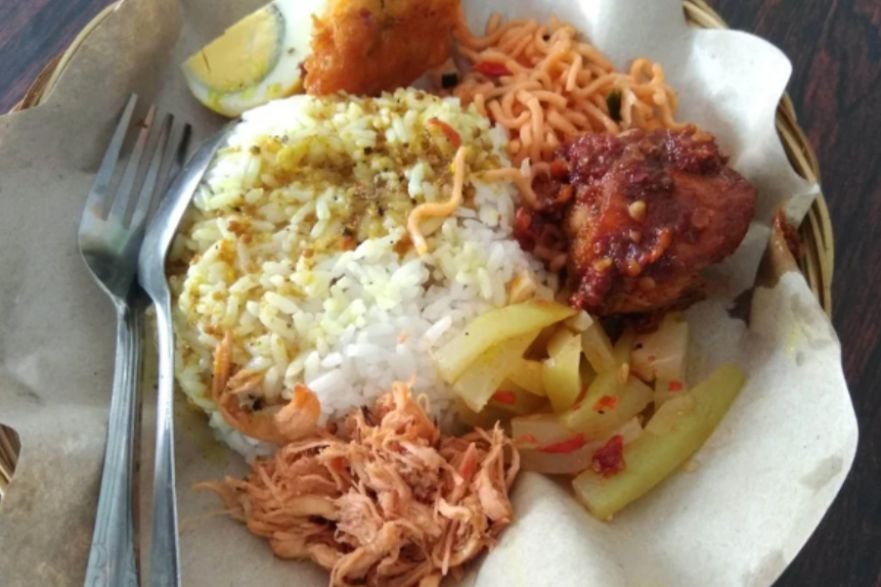
Flavor involves more than taste alone. Aroma, texture, temperature, and other sensory qualities contribute to recognizing a familiar dish.
The smell of baking bread or simmering spices can prompt autobiographical memories. Sometimes a person remembers a kitchen or family gathering before identifying exactly what triggered the reaction.
These responses vary. A familiar aroma does not always produce a vivid childhood memory, and nostalgia does not guarantee happiness.
Texture can also distinguish a comforting version from an unfamiliar one. Smooth porridge, crisp toast, or tender noodles may matter as much as seasoning.
How Traditions Create Different Comfort Foods
Cultural traditions influence which ingredients become familiar and which dishes accompany meaningful occasions. Everyday meals, religious celebrations, and seasonal gatherings can all contribute. Comfort food might mean congee, lentil stew, tortillas, dumplings, or roasted vegetables.
These differences become especially clear when exploring regional comfort foods across America, where local ingredients, cultural traditions, and family histories give familiar dishes their distinctive character.
It does not have to be sweet, creamy, or particularly rich.
Understanding how childhood meals shape comfort food preferences also explains why moving away can change a dish’s significance. Something once considered ordinary may become a valued connection to family, language, or community. Sharing these foods with others can preserve traditions while allowing recipes to evolve.
When Familiar Meals Carry Difficult Memories
Childhood food experiences are not always reassuring. Pressure to finish meals, household conflict, scarcity, or unpleasant experiences can affect how someone responds to familiar dishes. A food may evoke affection and sadness simultaneously.
Another may feel uncomfortable despite being widely described as comforting. There is no requirement to enjoy a childhood favorite or recreate family traditions. Personal comfort depends on individual associations, not someone else’s definition of home cooking.
Personal associations are only part of the picture, since understanding the differences between comfort food and soul food also requires considering cultural history and shared traditions.
Frequently Asked Questions
1. How does learning how childhood meals shape comfort food preferences explain adult cravings?
It highlights how familiar flavors and learned associations can influence what feels appealing. An adult may want a childhood dish because of its taste, its personal meaning, or both.
2. Can siblings prefer different comfort foods?
Yes. Sharing a household does not create identical preferences. Siblings may remember different occasions, favor different textures, or associate meals with different people.
3. Can new foods become comforting in adulthood?
Yes. Repeated, meaningful experiences can create new favorites. A meal shared with friends or enjoyed during a peaceful routine may gradually develop comforting associations.
Carrying Familiar Flavors Forward
I see comfort food as a record of experiences rather than a fixed list of dishes. Childhood meals can establish familiar tastes, but later relationships and routines can add new favorites. I would keep the foods that feel meaningful, adapt them when useful, and leave room for discoveries. The most comforting meal may connect me with the past while fitting the life I live today.