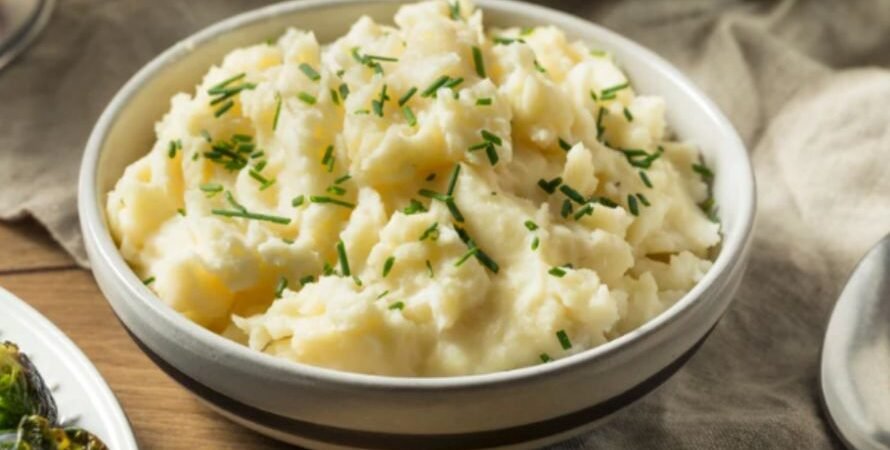
I think the quietest dish on a crowded dinner table often carries the most meaning. Between golden turkey, glossy vegetables, and baskets of rolls, a bowl of mashed potatoes rarely demands attention. Yet its absence would change the meal. Understanding why mashed potatoes are a comfort food staple means looking beyond butter and gravy to the warmth, familiarity, and everyday rituals surrounding each spoonful.
Their appeal comes from several qualities working together: a soft texture, satisfying flavor, familiar ingredients, and associations with being fed and cared for. That combination helps explain why this humble side belongs equally at holiday gatherings and ordinary weeknight dinners.
What Makes Mashed Potatoes Feel Comforting?
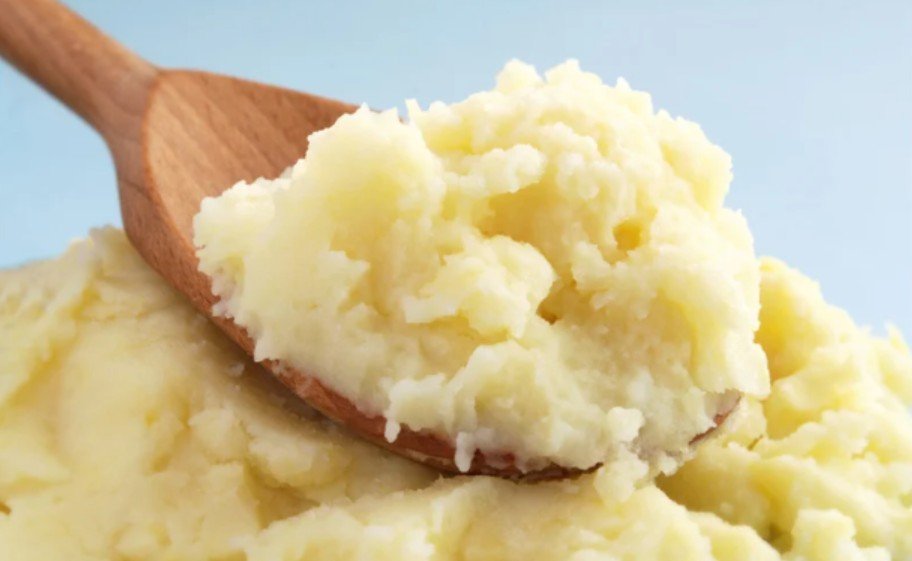
Warmth and Creaminess Create an Inviting Experience
Mashed potatoes offer a gentle eating experience. Their soft consistency contrasts with crisp chicken, roasted vegetables, or chewy slices of meat. Served warm, they bring a pleasing temperature and texture to the plate.
Served warm, they bring a pleasing temperature and texture to the plate. This connection between warmth, familiar foods, and seasonal eating also helps explain why comfort food cravings increase in cold weather, when warm and familiar dishes can feel especially appealing.
Butter, milk, or other additions can make that texture richer and smoother. Some people prefer airy potatoes; others love a rustic mash with small lumps. Comfort often depends on recognizing the version you enjoy, rather than achieving one supposedly perfect consistency.
Mild Flavor Makes Them Familiar and Adaptable
Potatoes have a relatively mild flavor, giving cooks room to adjust seasoning without changing the dish completely. A little salt, butter, or roasted garlic can create a recognizable taste that complements stronger flavors.
This flexibility matters at family tables. One person may enjoy peppery gravy, while another prefers plain potatoes. The same serving bowl accommodates different preferences, helping the dish remain useful across generations.
How Childhood Meals Become Lasting Food Memories
A familiar dish can remind someone of the people, places, and occasions connected with it.
A familiar dish can remind someone of the people, places, and occasions connected with it. These personal and cultural associations also help explain the differences between comfort food and soul food, since both can provide comfort while carrying distinct histories and meanings.
Mashed potatoes might bring back Thanksgiving gatherings, Sunday dinners, or a parent serving supper after a long school day.
The details often matter more than the ingredients. A particular gravy, an old serving spoon, or potatoes mashed with their skins can make one version feel especially meaningful.
These associations explain why restaurant mash and homemade mash can produce different reactions, even when both taste good. A dish does not need elaborate preparation to carry emotional significance. Sometimes familiarity gives it more appeal than novelty.
Why They Keep Appearing at Family Gatherings
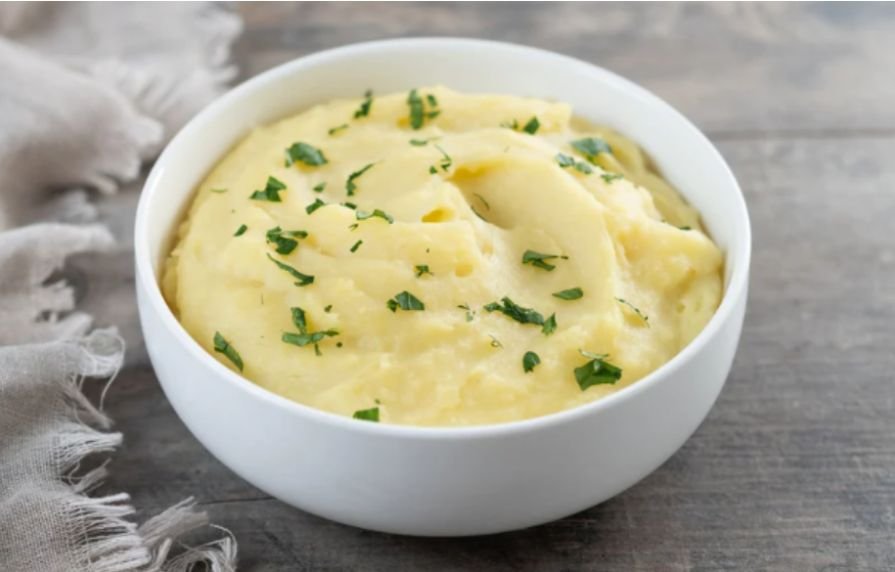
Holiday Traditions Reinforce Their Place
Thanksgiving turkey and mashed potatoes form a familiar pairing in many households. Christmas dinners, potlucks, and other gatherings also give the dish recurring appearances.
Repeated occasions create expectations. These recurring family meals can also help explain how childhood meals shape comfort food preferences, as repeated exposure to familiar dishes can connect particular flavors with family traditions, routines, and meaningful occasions.
When a family serves the same side year after year, it becomes part of how the celebration feels. Passing the bowl around the table can matter almost as much as eating from it.
However, this tradition is not universal. Families build different food rituals, and other dishes may carry the same emotional weight.
Everyday Dinners Keep the Tradition Alive
Mashed potatoes also accompany meatloaf, pot roast, fried chicken, and mushroom dishes. Their role extends beyond special celebrations because they work with meals people prepare regularly.
That everyday presence strengthens familiarity. A food served only once may be memorable, but one encountered throughout childhood and adulthood can become deeply woven into someone’s idea of home cooking.
What Makes Them a Practical Staple?
Potatoes are widely available, and a basic mash requires relatively few ingredients. Cooks can prepare a small serving or a generous bowl without learning an entirely different method.
The dish also welcomes variations. Garlic, chives, olive oil, or dairy alternatives allow households to adapt it to their tastes and ingredient needs.
Its versatility continues after dinner. Leftover mash can become potato cakes or a topping for a savory pie. This practical usefulness helps explain its staying power: people return to foods that fit their routines as well as their preferences.
Why Texture Matters More Than Fancy Ingredients
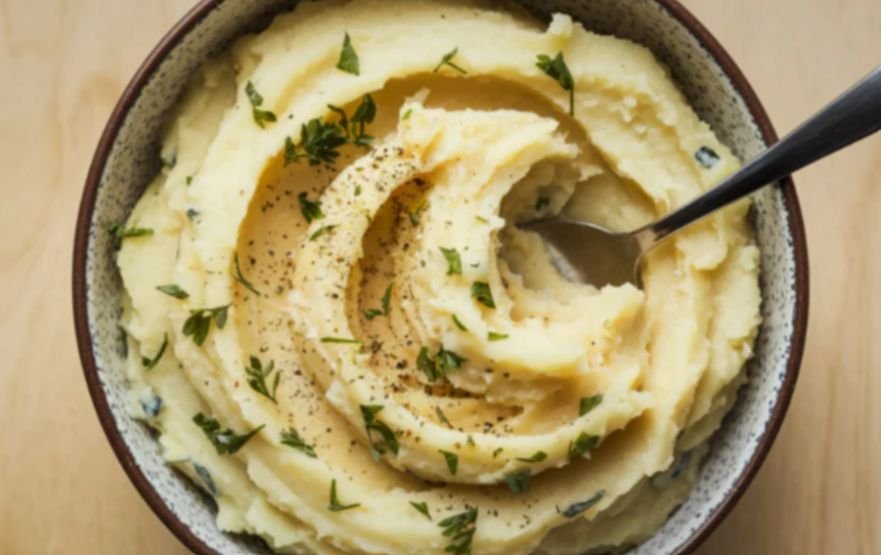
A luxurious ingredient cannot always rescue an unpleasant texture. Overworking potatoes can make the mash gummy, while excess liquid can leave it watery.
Gentle handling helps preserve the consistency people expect. Russets suit fluffy preparations, while Yukon Gold potatoes work well for a creamier result.
These cooking details belong in the explanation because sensory expectations influence enjoyment. The comforting bowl is often the one that feels familiar on the spoon, whether smooth, fluffy, or slightly chunky.
Frequently Asked Questions
1. Can You Explain Why Mashed Potatoes Are a Comfort Food Staple?
They combine warmth, a soft texture, adaptable flavor, and familiar meal associations. Their simple preparation and compatibility with many dishes also make them easy to serve repeatedly. Comfort comes from that combination, rather than one ingredient alone.
2. Does Gravy Make Them More Comforting?
For people who associate gravy with favorite dinners, it can strengthen the familiar experience. It also adds savory flavor and moisture. Others prefer butter, herbs, or plain mash, so gravy is optional.
3. Can Dairy-Free Mashed Potatoes Still Feel Comforting?
Yes. Olive oil, suitable plant-based milk, or broth can create an enjoyable version. Familiar seasoning, warmth, and shared mealtime traditions can remain meaningful even when ingredients change.
4. Does Everyone Enjoy Them as Comfort Food?
No. Preferences depend on taste, texture, culture, and personal experience. Someone who dislikes soft foods or rarely ate mashed potatoes growing up may find comfort in something completely different.
A Familiar Bowl Worth Returning To
I see their lasting appeal in how easily they connect ordinary meals with meaningful moments.
Mashed potatoes bring warmth and familiarity to the table, whether served at a holiday gathering or a simple weeknight dinner.
Their creamy texture and adaptable flavor make them easy to enjoy alongside countless family favorites. What means the most to me is how a humble bowl can recall the people and traditions surrounding a meal. That sense of welcome and care gives this everyday dish a place worth returning to.