
I find food labels most interesting when the same dish seems to belong everywhere. Macaroni and cheese can appear at a diner, a holiday gathering, or a soul food restaurant, yet each setting gives it a different meaning. Looking closely at comfort food vs soul food differences helps me appreciate both the familiar pleasure of eating and the traditions behind a meal.
The distinction starts with what each term describes. Comfort food centers on personal feelings and memories. Soul food identifies an African American culinary tradition with Southern roots. They overlap, but they are not interchangeable.
What Makes a Meal Comfort Food?
Comfort food is any food someone connects with reassurance, familiarity, or emotional satisfaction. It might remind you of childhood, a particular person, or a routine that made life feel predictable.
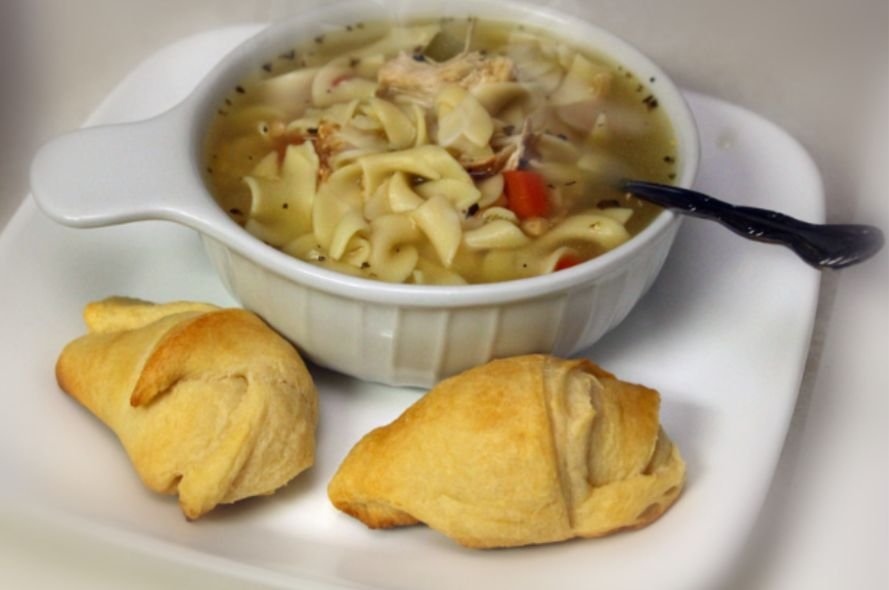
Across American households, comforting meals might include chicken noodle soup, meatloaf, grilled cheese, mashed potatoes, or a favorite casserole. Other families find that same familiarity in rice dishes, noodles, or foods carried through immigrant traditions.
Comfort foods can also become more appealing under particular seasonal conditions, which helps explain why comfort food cravings increase in cold weather when familiar flavors, warmth, and seasonal routines come together.
There is no universal comfort food menu. A meal that feels like home to one person may mean little to someone else. Its significance depends on experience rather than a required ingredient, cooking method, or calorie count.
Does Comfort Food Have to Be Homemade?
No. A restaurant breakfast, frozen dinner, or familiar takeout order can become comfort food through repeated associations. Homemade cooking often creates powerful memories, but the emotional connection matters more than where the food was prepared.
What Is Soul Food?
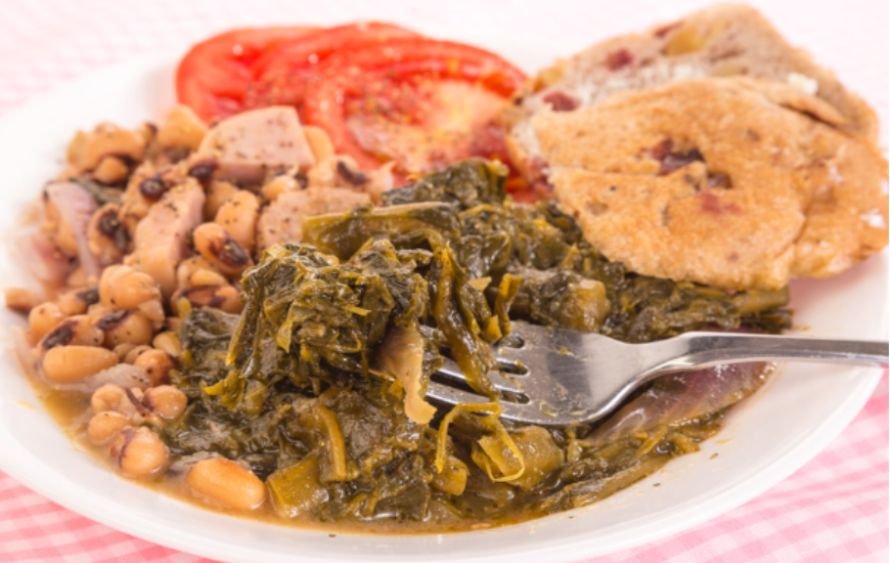
Soul food is a specific African American culinary tradition shaped by generations of Black cooks. Its roots lie in the South, where African food knowledge interacted with Indigenous and European ingredients and practices under unequal and often brutal conditions.
Enslaved people and their descendants preserved culinary skills, adapted available foods, cultivated ingredients, and developed traditions that continued through family and community life.
Recognizable dishes include collard greens, black-eyed peas, cornbread, fried or smothered chicken, sweet potato pie, and baked macaroni and cheese. However, no single plate represents every family or region.
How Did Soul Food Spread Beyond the South?
During the Great Migration, Black families carried Southern food traditions, including soul food, to cities across the country. Restaurants, churches, and home kitchens helped sustain those connections.
The name became widely associated with Black cultural pride during the 1960s, although the cooking traditions developed much earlier. Today, soul food continues to evolve through individual cooks, regional influences, and changing preferences.
How Do Their Meanings Differ?
Comfort food describes a relationship between an eater and a meal. Soul food describes culinary heritage.
That difference changes how you identify each category. You can call a bowl of soup comforting because it reminds you of being cared for. Identifying soul food requires attention to the traditions, history, and preparation surrounding the dish.
Comfort food can come from any cuisine. Soul food belongs to a particular cultural lineage, even though people from every background can cook, enjoy, and learn about it.
Neither term requires expensive ingredients or elaborate presentation. Both can involve everyday meals, celebration foods, and recipes that change across generations.
Can the Same Dish Be Both?
Absolutely. Baked macaroni and cheese served at a Black family gathering may belong to soul food traditions while also bringing someone comfort through memories of holidays and relatives.
Likewise, collard greens may carry cultural significance and personal nostalgia simultaneously. Those meanings reinforce each other without becoming identical.
A dish name alone cannot explain the entire story. Fried chicken appears in several culinary traditions, and macaroni and cheese takes many forms. Understanding context prevents familiar ingredients from becoming shortcuts for labeling an entire cuisine.
These early associations can help explain how childhood meals shape comfort food preferences, as familiar dishes often become connected with people, places, and routines from our formative years.
Soul food often provides comfort, but that response remains personal. Someone encountering a dish for the first time may appreciate its flavor without having nostalgic associations.
Is Soul Food the Same as Southern Food?
Southern food is a broad regional category shaped by many communities, landscapes, and histories.
That broader regional identity is also reflected in regional comfort foods across America, where local ingredients, cultural traditions, and community history give familiar dishes distinct identities from one part of the country to another.
It includes overlapping African American, Indigenous, European, and other influences.
Soul food shares ingredients and techniques with Southern cooking while expressing a specific African American heritage. Neither category has perfectly rigid boundaries.
Avoid deciding that one cuisine must always be sweeter, spicier, or richer. Family recipes vary considerably. Cultural history offers a more useful distinction than seasoning levels alone.
Common Misconceptions Worth Leaving Behind
Neither category consists entirely of fried food or oversized portions. Soul food traditions also include greens, beans, peas, and other vegetables. Contemporary versions may feature smoked turkey, plant-based ingredients, or different cooking techniques. Comfort food can also be simple and light. Familiarity does not depend on heaviness.
Frequently Asked Questions
1. What are the main comfort food vs soul food differences?
Comfort food describes personal emotional associations with eating. Soul food identifies an African American culinary tradition. A meal can fit both descriptions.
2. Is macaroni and cheese always soul food?
No. It appears in multiple traditions. Particular preparations and cultural contexts can connect it to soul food heritage.
3. Can soul food be vegetarian?
Yes. Vegetables and legumes have longstanding roles, and contemporary vegetarian cooking continues those traditions.
Appreciating More Than Flavor
I appreciate familiar meals more when I consider both their emotional meaning and cultural background. Knowing the distinction lets me enjoy a comforting plate while recognizing the people and traditions behind it. Shared dishes become richer stories when we give their heritage attention.