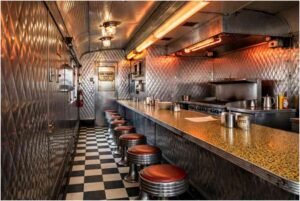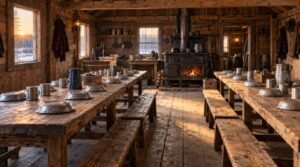
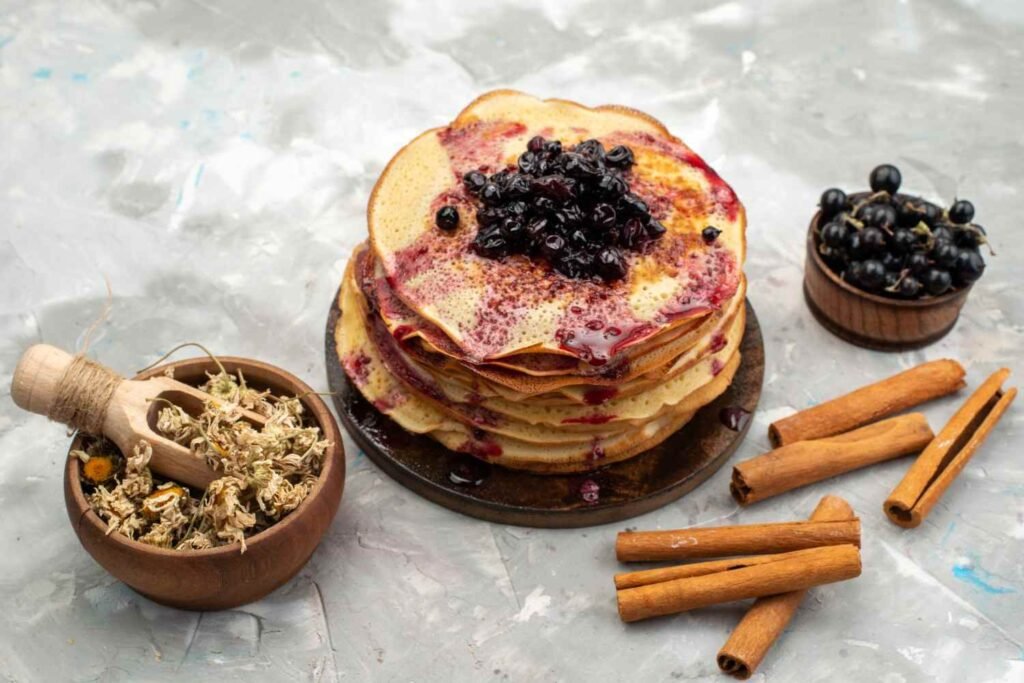
The first thing that surprised me about old logging-camp pancakes was not their size, their ingredients, or even the amount hungry workers could eat. It was the fact that some traditional versions were never flipped. Lumber camp buckwheat pancakes belonged to a much rougher world than today’s diner stacks, where camp cooks had to feed dozens of men before sunrise and get them ready for hours of hard winter labor.
Across North American logging regions, pancake traditions varied from camp to camp. One particularly interesting regional style connects with Acadian and Brayon food traditions and the thin buckwheat pancakes known as ployes, especially in northern Maine and neighboring Canadian communities. These pancakes were earthy, tangy, yeasty, and practical, with a bubbly surface that looked almost like a honeycomb.
Why Did Logging Camps Serve Buckwheat Pancakes?
A logging camp breakfast had one purpose: fuel.
Men spent long days felling trees, hauling timber, handling horses, moving logs, and working outdoors in temperatures that could drop well below freezing. Camp cooks could not send them into the woods with a light meal.
Pancakes made sense because they could be prepared quickly on a large griddle and served in volume. Buckwheat added a hearty flavor and worked naturally with other camp staples such as pork, beans, potatoes, hash, molasses, and strong coffee.
American logging camps in places such as Maine, Michigan, Minnesota, and Wisconsin developed their own food traditions, so there was never one universal lumberjack pancake recipe. Still, buckwheat, fermented batter, large griddles, syrup, and substantial breakfasts appear repeatedly in historic logging-food accounts.
What Is the Connection Between Ployes and Logging Camp Pancakes?
Ployes are thin buckwheat pancakes associated with Acadian and Brayon cooking. They are especially connected with northern Maine, New Brunswick, and nearby regions where French-speaking communities developed their own buckwheat traditions.
Unlike the fluffy buttermilk pancakes most Americans recognize today, ployes are usually thinner and are traditionally cooked on just one side. As the batter heats, bubbles rise and burst across the top. The pancake finishes when the surface dries and develops its recognizable porous texture.
That method makes them particularly interesting when discussing old logging-camp food because they represent a regional style that fits the practical needs of camp cooking: fast preparation, simple ingredients, and a substantial base for both sweet and savory toppings.
Why Were Some Lumber Camp Pancakes Cooked on One Side?
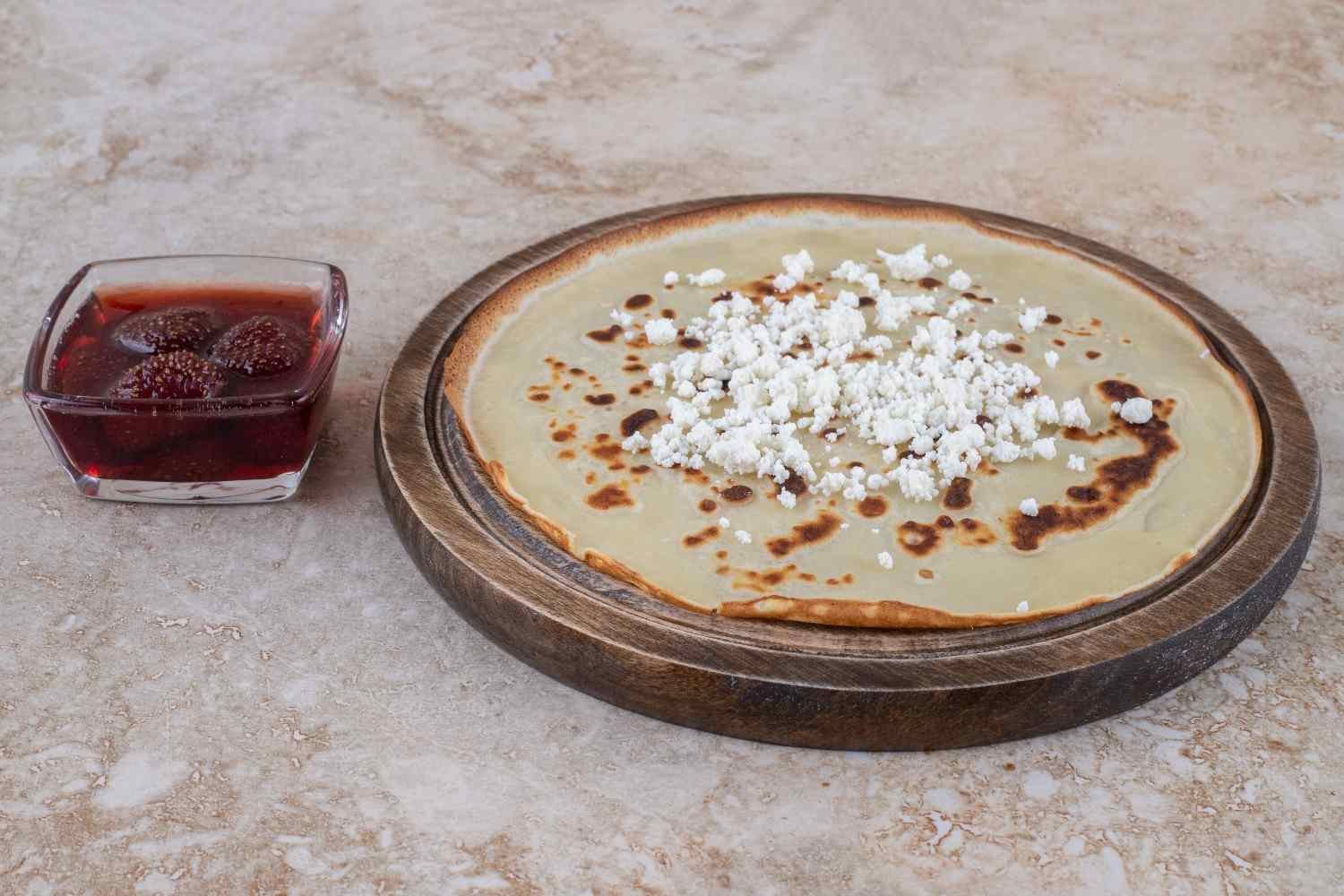
The no-flip method is one of the most distinctive features of this style and helps set it apart from many traditional southern breakfast dishes.
When thin batter hits a hot cast-iron skillet or griddle, steam and fermentation bubbles push upward through the surface. Instead of turning the pancake, the cook lets the bottom brown while the top cooks through from rising heat.
The result is a flat pancake with a darker underside and a pale, bubbly top.
That honeycomb texture also gives butter, molasses, and maple syrup plenty of small pockets to settle into.
How Do You Make Old-Fashioned Lumber Camp Buckwheat Pancakes?
If I wanted to recreate the spirit of a historic logging-camp breakfast at home, I would use a yeast-raised batter rather than a modern boxed mix.
For a practical batch, combine one cup of dark buckwheat flour with about three-quarters cup of all-purpose flour and half a teaspoon of salt.
Warm two cups of buttermilk until it is just warm, not hot. Stir in one teaspoon of active dry yeast and a small amount of molasses, then let it stand for about five to ten minutes until the yeast begins to foam.
Add the liquid to the flour along with roughly two tablespoons of molasses and one tablespoon of melted butter or oil. Whisk until the batter is smooth, then cover it and leave it in a warm place for about 30 to 45 minutes.
During that rest, the yeast creates the bubbles that help give the pancakes their characteristic texture.
Heat a heavy cast-iron skillet or griddle over medium heat. Grease it lightly with butter, bacon grease, or another cooking fat.
Pour the batter thinly rather than making a thick diner-style pancake.
Then leave it alone.
Do not flip it.
The pancake is ready when the top looks dry, the bubbles have opened across the surface, and the edges lift easily from the pan.
What Did Lumberjacks Eat With Buckwheat Pancakes?
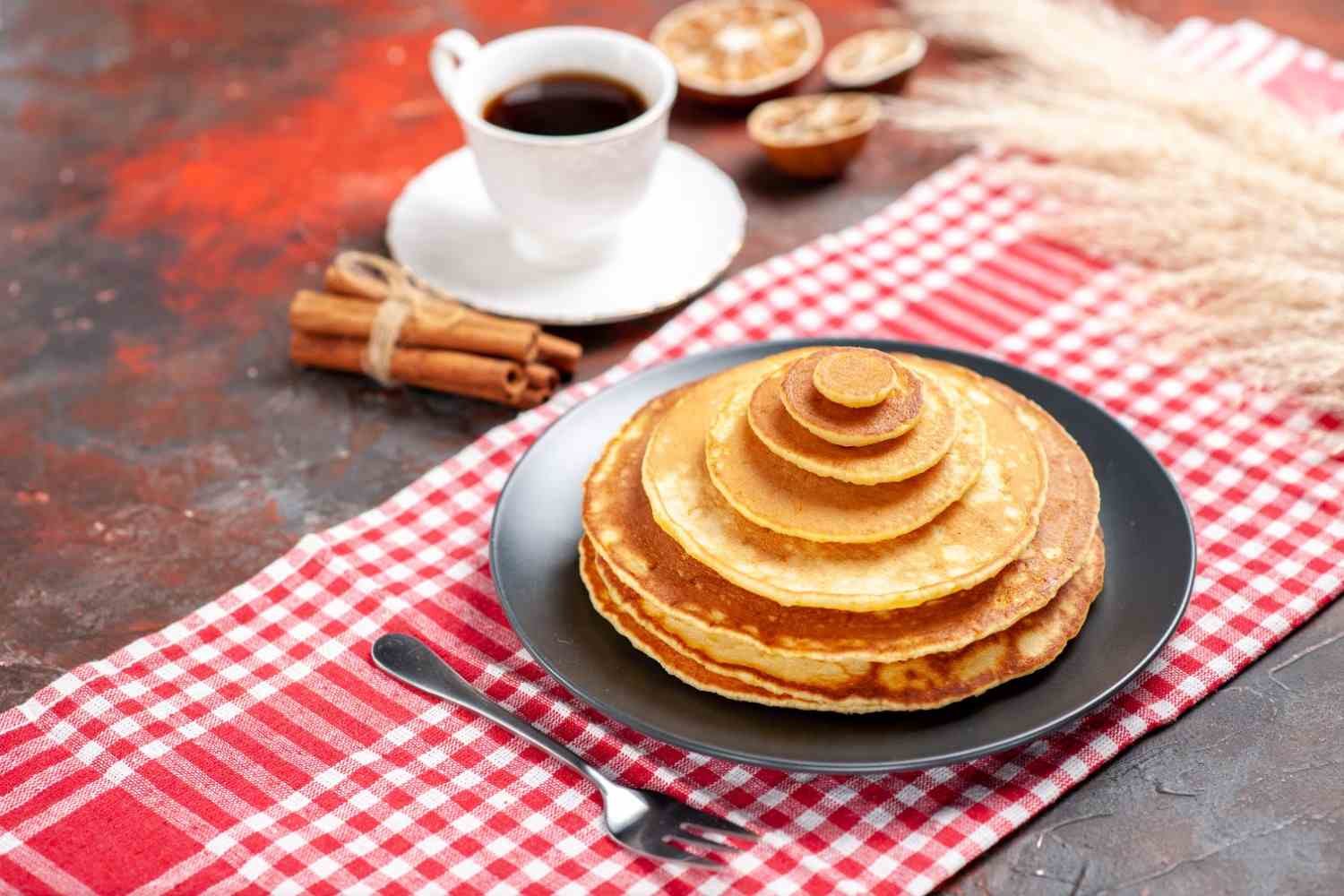
Historic logging-camp breakfasts were rarely built around pancakes alone.
Camp tables could include fried pork, bacon, baked beans, potatoes, hash, bread, meat, and large amounts of coffee. Pancakes provided an easy carbohydrate base that could be served with both savory and sweet foods.
For a more traditional sweet approach, butter, dark molasses, or maple syrup fit naturally.
For a savory plate, pork belly, bacon, beans, or hash make more sense than whipped cream or fruit toppings.
One particularly old-fashioned serving style is to spread butter and molasses over the bubbly side, roll the pancake into a tube, and eat it by hand.
Were Logging Camp Pancakes Always Made With Yeast?
Not necessarily.
Recipes changed by region, available ingredients, time period, and individual cook. Some historic pancake batters relied on fermentation or sourdough starters, while others used different flour blends or later leavening methods.
That is why I would describe the yeast-raised version as a historically inspired regional interpretation rather than the single recipe used in every camp.
Sourdough also fits naturally into logging and frontier food culture. In remote camps, maintaining a starter could be easier than depending constantly on fresh commercial yeast. Cold weather made starter care important, so cooks often protected active cultures from freezing.
How Are Historic Lumberjack Pancakes Different From Diner Pancakes?
Modern “lumberjack breakfasts” usually emphasize abundance: tall stacks of fluffy pancakes with eggs, bacon, sausage, hash browns, and toast.
Historic camp food was less decorative.
A cook working before dawn cared about volume, speed, affordability, and energy. Pancakes could be thinner, darker, more fermented, and considerably less sweet than today’s restaurant versions.
That difference is exactly what makes lumber camp buckwheat pancakes so interesting. They were not designed as a weekend indulgence. They were working food created for men heading directly into snowy forests.
Why This Old Logging Camp Breakfast Still Matters
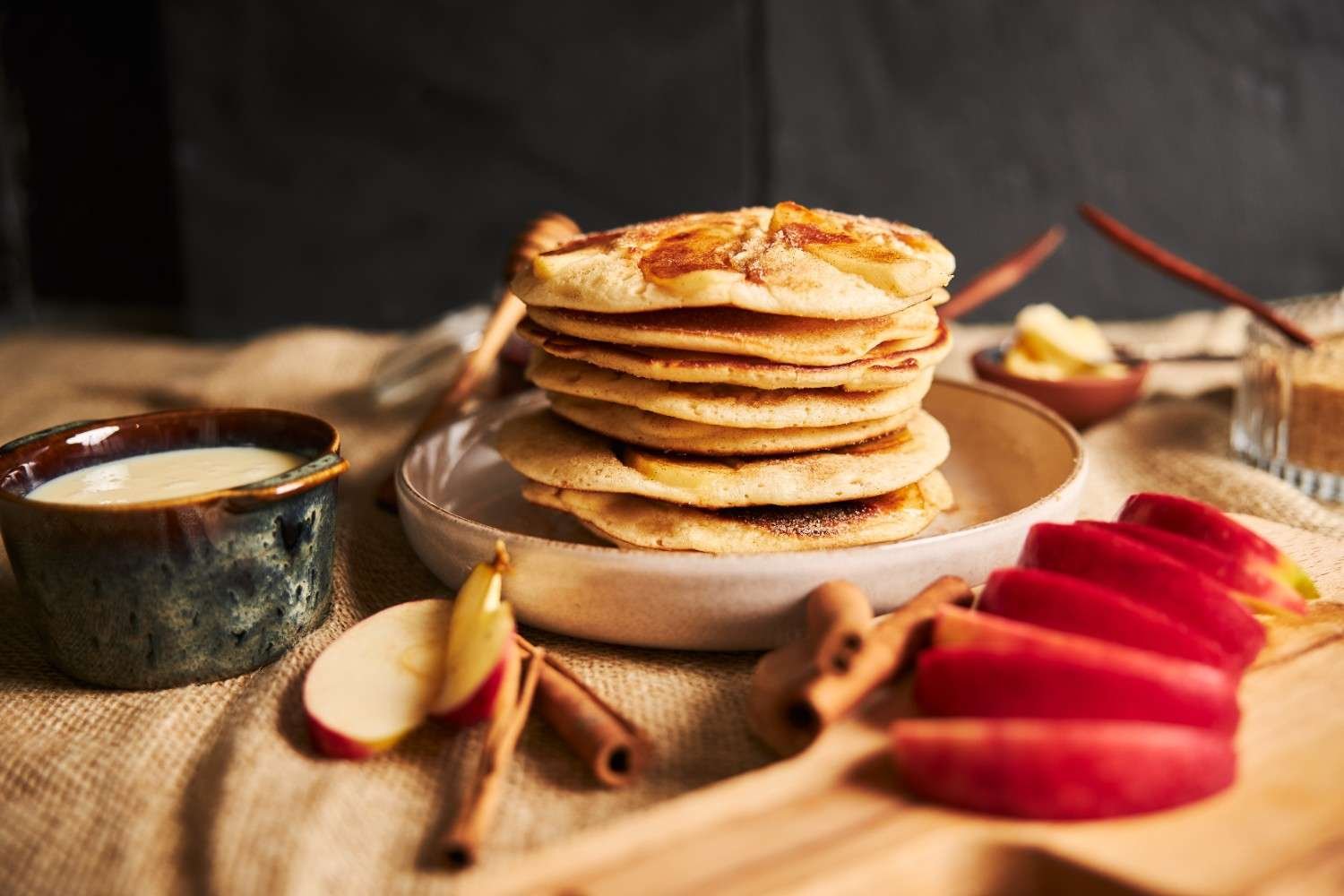
I think historic food becomes more interesting when we stop treating it as a novelty and start looking at what it tells us about daily life.
A lumber-camp kitchen had to operate with military efficiency. Cooks prepared batter early, heated wide griddles, brewed enormous quantities of coffee, organized meat and potatoes, and fed crews quickly enough to keep the workday moving.
Even syrup could be handled in large quantities. Historical logging accounts describe camps using substantial containers and refilling serving pitchers because breakfast demand was so high.
That gives us a much clearer picture of why pancakes became so closely linked to the American lumberjack image.
Frequently Asked Questions (FAQs)
1. Did American lumberjacks really eat buckwheat pancakes?
Yes. Pancakes, including buckwheat varieties, appear in accounts of North American logging-camp meals. Recipes and preparation methods differed depending on the region and period.
2. What is a ploye?
A ploye is a thin buckwheat pancake associated with Acadian and Brayon food traditions, particularly in northern Maine and neighboring parts of Canada. Traditional versions are known for their bubbly surface and one-sided cooking method.
3. Why are ploye-style pancakes not flipped?
Thin batter cooks from the bottom while steam and bubbles rise through the surface. Once the top dries and the bubbles form a honeycomb pattern, the pancake can be removed without flipping.
4. What did lumberjacks put on their pancakes?
Butter, molasses, syrup, and maple syrup were natural sweet accompaniments. Pancakes could also be eaten alongside pork, bacon, beans, hash, and other hearty camp foods.
5. Can I make lumber camp buckwheat pancakes in a modern kitchen?
Yes. A cast-iron skillet or flat griddle works well. A yeast-raised buckwheat and buttermilk batter gives the pancakes a more old-fashioned flavor and texture than a standard boxed pancake mix.
Final Thoughts
I like this breakfast because it connects something familiar to a very different chapter of American food history. Behind today’s oversized lumberjack platters were real camp cooks working before daylight, wide griddles covered with batter, syrup pitchers waiting on long tables, and crews preparing for another demanding day in the woods.
The thin, one-sided buckwheat version adds another layer to that story. Its yeasty batter, molasses sweetness, cast-iron cooking, and honeycomb surface feel far removed from modern diner pancakes, yet that is exactly what makes lumber camp buckwheat pancakes worth rediscovering.