Long before oversized “lumberjack breakfasts” became a fixture on American diner menus, the original version was being served in remote logging camps where breakfast could determine how well a crew handled the day ahead. Food had to be filling, practical, and ready early, while coffee had to be prepared in quantities large enough to serve an entire camp.
The history of lumberjack breakfast coffee traditions grew from this demanding environment. Across timber regions from the Great Lakes to New England and the Pacific Northwest, camp cooks built morning routines around hot coffee, flapjacks, cured meat, potatoes, beans, bread, and other foods that could sustain workers through long hours outdoors.
What makes these breakfasts especially fascinating is how little they resembled the polished diner version we know today. Real logging-camp meals were shaped by weather, transportation, regional customs, available ingredients, and the constant pressure to feed large crews quickly.
What Did Lumberjacks Drink With Breakfast?
Coffee and tea both appeared in North American logging camps, and their importance varied by place and period.
In some earlier eastern and Great Lakes camps, tea remained a familiar hot drink. As logging operations expanded and camp supply systems improved, coffee became increasingly common.
For men working outdoors in freezing winter conditions, a hot drink had an obvious appeal. Crews could start their day before sunrise and spend hours cutting, hauling, and moving timber. Coffee fitted naturally into that demanding routine.
Historical camp accounts show coffee served alongside foods such as flapjacks, oatmeal, potatoes, cured pork, bread, biscuits, doughnuts, and eggs.
The important point is that there was no universal lumberjack menu. A camp in Michigan during one decade might have offered a different breakfast from a logging operation in Maine, Pennsylvania, Wisconsin, or Oregon.
How Did Lumberjacks Make Coffee in Logging Camps?
Logging camp coffee had very little in common with today’s carefully measured pour-over.
Camp cooks needed quantity and speed.
Instead of preparing one or two cups at a time, they brewed enough coffee for dozens of hungry workers. Large kettles and pots made this possible, and preparation could be far less precise than modern brewing methods.
Coarse coffee grounds might be added directly to boiling water and brewed in substantial batches. Cooks and their assistants, sometimes called cookees, had to keep food and hot drinks moving because a delay in the cookhouse could delay an entire work crew.
Was Lumberjack Coffee Always Strong and Black?
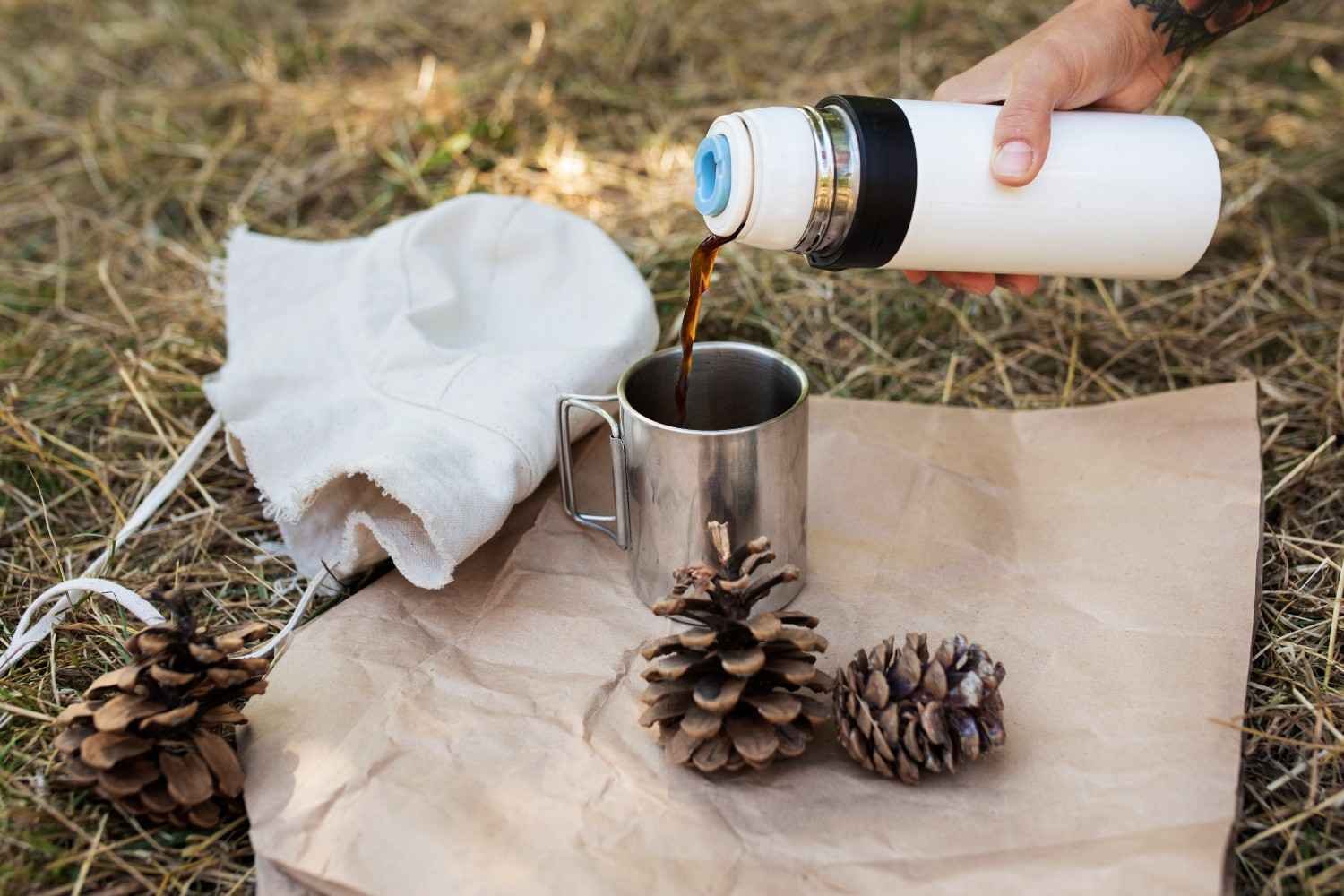
The popular image of the lumberjack holding a cup of extremely strong black coffee is partly rooted in reality, but it should not become a universal rule.
Black coffee would have been practical in remote camps where fresh dairy products were difficult to transport or preserve. However, historical supply records also mention sugar, condensed milk, cream, and other additions in some camps.
Coffee therefore depended on availability.
One logging crew might drink it plain. Another could have access to sugar or canned dairy products.
That variation makes the real history more interesting than the stereotype.
What Did Lumberjacks Call Coffee?
Logging camps developed their own vocabulary, especially in regions where workers lived together for months at a time.
Coffee could sometimes be called “slush” or “blackjack.”
These terms were part of a much larger body of lumberjack slang covering jobs, tools, meals, equipment, and camp routines.
The men themselves were sometimes called shanty boys, particularly in Great Lakes logging culture.
I find details like these especially valuable because they show that coffee was more than a generic beverage. It had become familiar enough within certain camps to earn its own language.
Did Lumberjacks Really Eat Coffee Soup?
One of the strangest historical traditions associated with logging communities is coffee soup, sometimes referred to by the French expression soupe au café.
The practice was particularly associated with French Canadian and northeastern traditions rather than every American logging camp.
The idea was simple: hot coffee was poured over pieces of bread and eaten from a bowl. The bread absorbed the liquid, creating a warm, inexpensive meal that could be consumed quickly.
From a modern perspective, coffee-soaked bread may sound unusual. In an isolated timber camp, however, it made practical sense. Bread provided carbohydrates, hot liquid offered warmth, and coffee supplied the familiar morning drink.
Some accounts also describe coffee being served in bowls rather than small cups. That practice should not be treated as universal, but it reflects the practical nature of camp dining in certain regions.
What Foods Were Served With Lumberjack Coffee?
The authentic logging camp breakfast depended heavily on ingredients that cooks could obtain, store, and prepare in large quantities.
Flapjacks became one of the foods most strongly associated with lumberjacks. They required relatively simple pantry staples and could be cooked rapidly on large griddles.
But flapjacks were only one part of the story.
Salt pork and other cured meats were important because preservation mattered in remote camps. Bacon, ham, sausage, and side meat could provide substantial fat and calories without requiring the same handling as fresh meat.
Beans also played a significant role in logging culture.
What Were Beanhole Beans?
Beanhole beans became especially associated with northeastern timber-country cooking.
Cooks placed beans, often flavored with pork and molasses, inside heavy pots and cooked them slowly using hot coals. In some traditions, the pot was placed into a prepared pit and covered so the beans could cook for hours.
This slow-cooking method made beans practical for feeding groups without constantly watching the pot.
The result was inexpensive, filling camp food suited to physically demanding work.
Did Lumberjacks Eat Sourdough for Breakfast?
Sourdough also belonged to parts of North American logging and frontier food culture.
A dependable starter allowed camp cooks to make bread, biscuits, cakes, and other baked goods without relying entirely on fresh commercial yeast.
Keeping that starter alive mattered, especially in extremely cold conditions.
Baked goods could accompany coffee at breakfast, while doughnuts, biscuits, bread, and molasses-sweetened items also provided the carbohydrates workers needed.
Again, the exact menu depended heavily on location and era.
What Is Red Flannel Hash, and Did Lumberjacks Eat It?
Nothing went to waste easily in an isolated camp.
Leftover meat and potatoes could return to the table as hash. In New England and northeastern cooking, red flannel hash traditionally combined potatoes with beets and leftover meat.
Its distinctive red appearance gave the dish its name.
While it should not be presented as something every lumberjack ate, dishes like hash represent an important principle of camp cooking: cooks reused available food efficiently.
Waste cost money, and transporting replacement provisions into remote forests was difficult.
Why Did Some Logging Camps Require Silence at Breakfast?
One of the most fascinating traditions associated with logging camp meals involved silence.
Historical accounts from certain camps describe strict dining rules where men ate quickly, and conversation was discouraged or forbidden.
The reason was practical.
Cooks sometimes had to feed large crews in shifts, and workers needed to reach the woods early. Long conversations could slow the entire process.
Breakfast therefore looked nothing like a modern Saturday brunch.
Men came in, ate substantial portions, drank their coffee or tea, and returned to work.
I would not describe silent dining as a rule followed by every logging camp in North America. Conditions and customs varied considerably. But where such rules existed, they reveal how tightly controlled the camp workday could be.
How Is a Modern Lumberjack Breakfast Different?
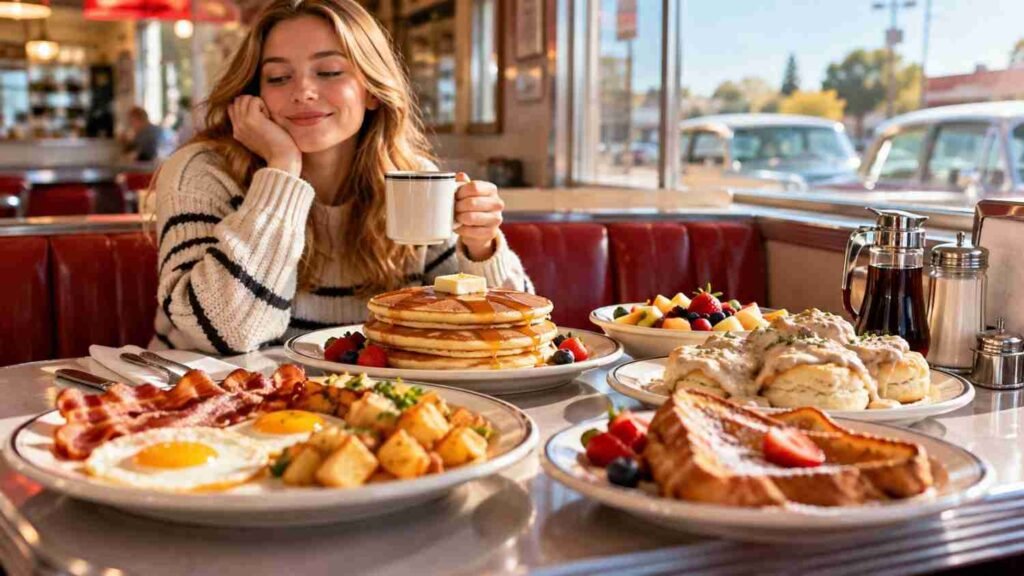
Order a lumberjack breakfast in an American diner today, and you may receive pancakes, eggs, bacon, sausage, hash browns, toast, and coffee on one enormous plate.
It certainly captures the legendary appetite associated with logging crews.
Historically, however, the menu could be much less glamorous.
Early camps sometimes relied heavily on beans, pork, flour, bread, molasses, potatoes, and whatever else could be transported economically and stored safely.
As logging companies became larger and competed for skilled workers, food quality often improved. Better camps might provide more meat, baked goods, vegetables, desserts, dairy products, coffee, and other comforts.
Today’s diner platter is therefore better understood as a celebration of the lumberjack image rather than a precise reconstruction of one historic breakfast.
Why Coffee Became Part of the Lumberjack Legend

What interests me most about lumberjack breakfast coffee traditions is how ordinary coffee became connected with an extraordinary working environment.
The drink appeared before dawn in cookhouses where men needed to eat quickly before heading into freezing forests. It accompanied flapjacks, pork, beans, bread, potatoes, oatmeal, and whatever else a camp cook could efficiently prepare.
Coffee also became part of camp language and, in certain regions, unusual customs such as coffee soup.
The tradition was not identical everywhere. That is important.
American logging culture stretched across multiple regions and generations, and each camp developed its own routines based on workers, climate, available ingredients, transportation, and local customs.
FAQs About Lumberjack Breakfast Coffee Traditions
1. What did lumberjacks usually drink for breakfast?
Coffee and tea were both served in North American logging camps. Coffee became especially prominent in many later logging operations, although preferences differed by region and era.
2. What did lumberjacks call coffee?
Some logging communities used slang terms such as “slush” and “blackjack” for coffee. Lumberjack vocabulary varied considerably between regions and camps.
3. Did lumberjacks really drink coffee from bowls?
Some historical traditions describe coffee being served in bowls, particularly in communities where coffee soup was eaten. However, this should not be considered a universal logging-camp practice.
4. What was a real lumberjack breakfast?
Historical breakfasts could include flapjacks, oatmeal, salt pork, bacon, potatoes, beans, biscuits, bread, doughnuts, eggs, hash, coffee, and tea. Menus varied according to the camp’s location, period, budget, and available supplies.
5. Why were lumberjack breakfasts so large?
Logging involved prolonged physical labor in difficult outdoor conditions. Substantial morning meals supplied workers with energy before they spent hours cutting, moving, and hauling timber.
From the Cookhouse to the American Diner
When I compare an authentic logging camp morning with today’s restaurant version, the difference is striking. The old meal was not designed for novelty or indulgence. It existed because large crews had to eat efficiently before beginning difficult physical work.
Large coffee kettles, preserved meats, beans, flapjacks, sourdough, hash, early-morning cooks, regional slang, and occasionally strict dining rules all belonged to that larger story. In some ways, the hearty structure of these meals also resembles traditional southern breakfast dishes, especially those built around biscuits, pork, eggs, potatoes, grits, and strong coffee.
Modern America turned the lumberjack breakfast into an oversized diner favorite, but the historic tradition was tougher, more practical, and much more varied.
That is what makes lumberjack breakfast coffee traditions worth exploring. Behind the familiar image of pancakes and steaming coffee sits a fascinating piece of American working-class food history shaped by cold forests, remote camps, hard labor, and the cooks who kept entire logging crews fed.