Long before canned baked beans became a pantry shortcut, American logging camps were already turning dried beans, salt pork, molasses, and simple seasonings into some of the hardest-working meals in the woods. These dishes were inexpensive, easy to store, and practical for feeding large crews far from towns and markets.
That practicality is what made old logging camp bean dishes such an important part of lumberjack food culture during the 19th and early 20th centuries. Camp cooks could prepare enormous quantities, let them simmer or bake for hours, and serve meals substantial enough for workers spending long days cutting and hauling timber in cold northern forests.
From Maine bean-hole beans to savory sowbelly beans and French-Canadian fèves au lard, these recipes reveal how cooks transformed basic provisions into memorable meals that became part of American logging history.
Why Were Beans So Important in Old Logging Camps?
Beans made sense in remote logging camps for several reasons.
Dried beans could travel long distances without spoiling. They did not require refrigeration; they were relatively inexpensive, and camp cooks could prepare them in enormous quantities.
That mattered because some logging camps had to feed dozens of men at once.
Beans also provided carbohydrates and protein, making them useful for workers who spent long winter days cutting trees, moving logs, and working in difficult conditions.
Historical accounts show that beans appeared regularly in logging-camp meals, often alongside salt pork, bread, potatoes, hotcakes, and strong coffee.
What stands out to me is how practical the food system was. Camp cooks did not choose beans because they were fashionable or sophisticated. They chose them because they worked.
What Bean Dishes Did Lumberjacks Actually Eat?
Logging-camp bean dishes varied by region, season, available supplies, and cultural influence. There was no single universal “lumberjack bean recipe.”
However, several preparations became especially associated with logging culture.
Maine Bean-Hole Beans Were the Most Famous Logging Camp Dish
Bean-hole beans are probably the best-known bean dish connected with northeastern lumber camps.
The cooking method involved using a heated pit in the ground to slowly cook beans for many hours. Historical accounts often connect the technique with Indigenous cooking traditions that were later adapted by logging crews in Maine and other parts of New England. Although very different from many traditional southern breakfast dishes, bean-hole beans shared the same emphasis on hearty, practical food that could feed large groups and provide lasting energy.
How Were Bean-Hole Beans Cooked?
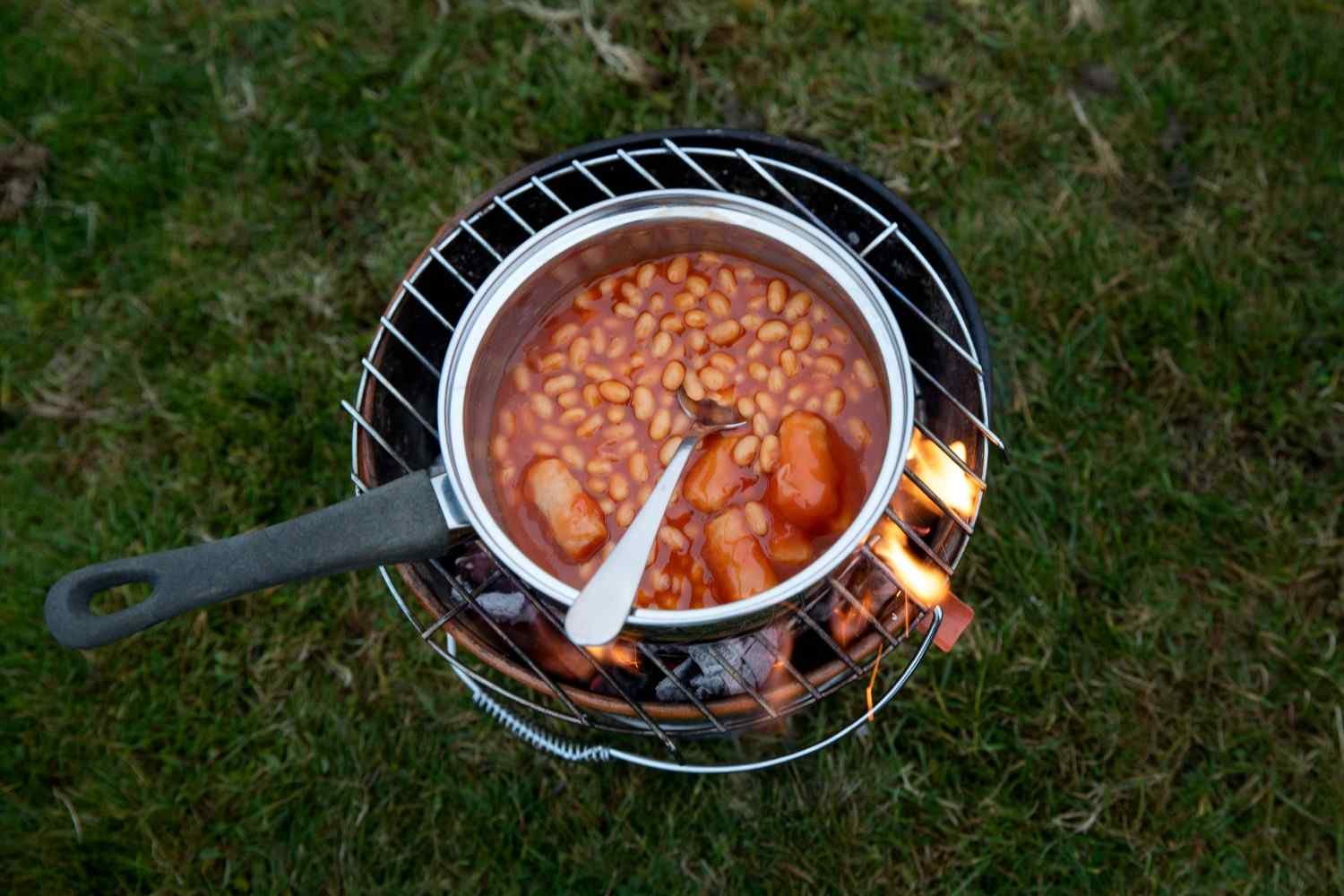
A camp cook or cook’s helper, sometimes called a cookee, prepared a pit and heated it using a wood fire. Rocks and surrounding earth absorbed the heat as the fire burned down.
Meanwhile, dried beans such as navy beans or yellow-eye beans were soaked and partially cooked.
The beans then went into a heavy cast-iron pot with ingredients such as salt pork, onion, molasses, mustard, and water.
Once the pot was tightly covered, it was placed inside the heated pit and surrounded by hot coals and earth.
The beans could cook slowly overnight, allowing the flavors to blend while the beans became exceptionally tender.
This method was especially useful because it required relatively little attention once the pot was buried.
For a busy logging camp, that was a major advantage.
What Were Sowbelly and Beans?
Not every camp meal involved a carefully prepared sweet bean dish.
Some logging-camp meals were much simpler.
“Sowbelly” was a common nickname for salt pork made from the belly of the hog. It could be cooked directly with beans to create a rich, savory dish that was easy to prepare in large batches.
Camp cooks often relied on preserved pork because it stored better than fresh meat.
As the pork cooked, its rendered fat flavored the beans and made the dish heavier and more satisfying.
Compared with molasses-based baked beans, sowbelly and beans could have a much more straightforward flavor profile.
Salt, pepper, pork fat, and beans did most of the work.
For workers spending hours in cold forests, simplicity mattered less than warmth, calories, and reliability.
Did Logging Camps Make Ham and Bean Soup?
Bean soups and stews were another practical way to stretch available ingredients.
Toward the end of a long season, cooks could use dried beans with smoked ham, ham hocks, or other preserved meat.
Root vegetables such as turnips, parsnips, onions, or rutabagas could also go into the pot when available.
The result was a thick, hearty soup that could feed a large crew with relatively few expensive ingredients.
I think this style of cooking shows the resourcefulness of camp kitchens especially well.
A single ham hock could flavor an entire stockpot, while beans supplied most of the bulk.
The soup could then be served with fresh bread, biscuits, or other baked goods from the cookhouse.
What Were French-Canadian Fèves au Lard?
French-Canadian workers played an important role in logging culture across eastern Canada and parts of the northern United States.
They also brought their own food traditions with them.
One of the most important was fèves au lard, a slow-cooked bean dish traditionally made with pork.
While New England baked beans often relied heavily on molasses, French-Canadian versions could feature maple syrup as a sweetener.
That created a different balance of flavors.
The combination of maple sweetness, salt pork, and slowly cooked beans produced a dish that fit naturally into cold-weather logging life.
This regional variation also reminds me that old logging camp bean dishes were never completely uniform.
Logging camps reflected the people working in them, and French-Canadian, New England, Great Lakes, and local food traditions could all influence what appeared on the table.
What Types of Beans Did Logging Camps Use?
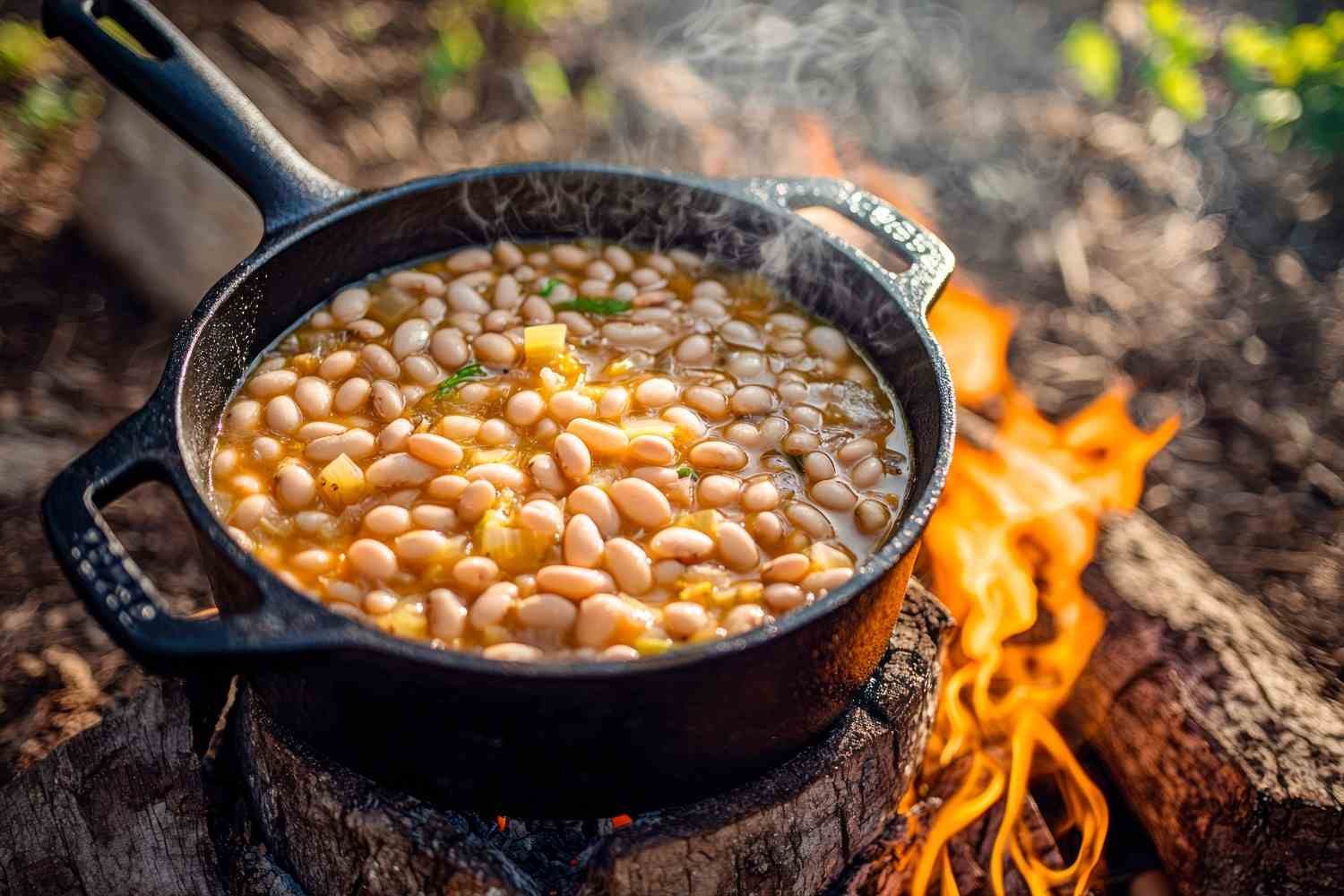
Camp cooks generally used dried bean varieties that stored well and responded well to long cooking.
Navy beans were especially useful because they softened easily and absorbed surrounding flavors.
Yellow-eye beans were also associated with New England cooking and worked well in baked dishes.
Jacob’s cattle beans, pea beans, and similar regional varieties could also appear depending on availability.
The exact bean mattered less than practicality.
Cooks needed something that could survive transportation, storage, soaking, and long cooking without becoming unusable.
That is one reason dried beans remained such a dependable camp staple.
What Did Lumberjacks Eat With Beans?
Beans usually appeared as part of a much larger meal.
Logging crews could eat bread, biscuits, potatoes, pancakes, hotcakes, preserved meat, eggs, oatmeal, pies, doughnuts, and plenty of coffee.
Food variety increased as transportation and supply systems improved.
Some camps were able to serve surprisingly substantial meals, especially later in the logging era.
Workers also sometimes ate meals away from the main camp.
Food could be carried out to crews working in the woods, allowing them to eat without returning to the cookhouse during the middle of the workday.
These field meals had to be portable, filling, and easy to serve, which made beans and preserved meat practical options.
Why Were Salt Pork, Molasses, and Maple Syrup So Common?
These ingredients had one important thing in common: they stored well.
Salt pork could last much longer than fresh meat.
Molasses could sit in camp supplies without requiring refrigeration.
Maple syrup was locally available in some northern regions and added sweetness to otherwise simple meals.
Together, these ingredients transformed basic dried beans into dishes with much more flavor and energy.
They also helped create regional differences.
Molasses became strongly associated with New England-style baked beans, while maple syrup had an important place in French-Canadian preparations.
Are Modern Lumberjack Beans Historically Authentic?
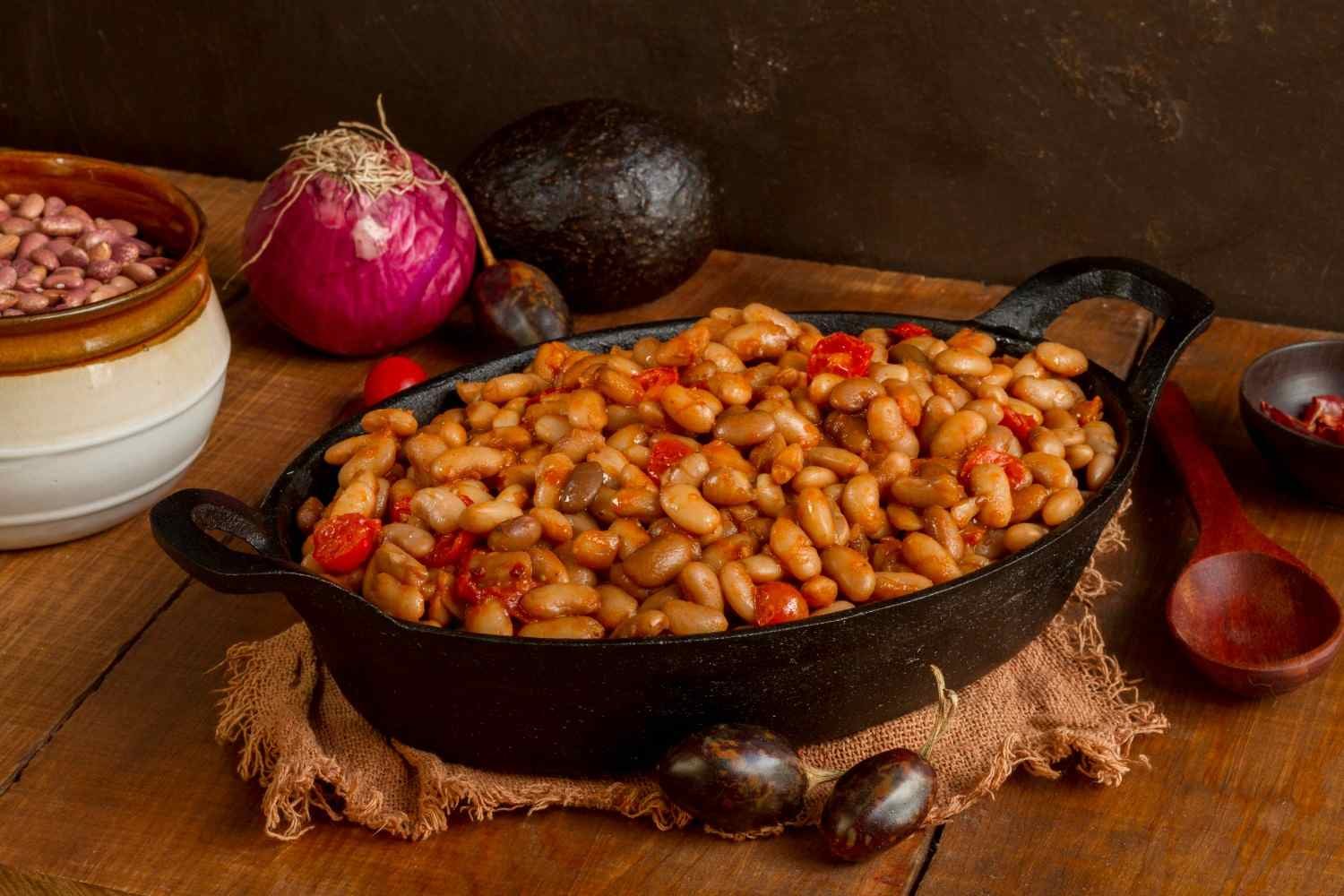
Many modern recipes called “lumberjack beans” are very different from what workers ate in old camps.
Today, recipes may include ground beef, bacon, several canned bean varieties, ketchup, barbecue sauce, brown sugar, or bottled seasonings.
Those dishes can still be delicious, but they should not automatically be considered historically accurate.
Traditional logging-camp beans were usually built around simpler ingredients such as dried beans, salt pork, molasses, onions, mustard, or maple syrup.
The cooking methods were also different.
Slow ovens, heavy pots, open fires, and underground bean holes played a much larger role than modern slow cookers or casserole dishes.
Frequently Asked Questions (FAQs)
1. What kind of beans did old lumberjacks eat?
Logging camps commonly used dried beans such as navy beans, yellow-eye beans, pea beans, and other regional varieties that stored well and could handle long cooking.
2. What are bean-hole beans?
Bean-hole beans are slow-cooked beans prepared in a heavy pot placed inside a heated pit in the ground. The method became strongly associated with Maine logging camps and other parts of New England.
3. Why did lumberjacks eat beans so often?
Beans were inexpensive, portable, non-perishable, and easy to prepare in large quantities. They also provided carbohydrates and protein for physically demanding work.
4. What meat was usually cooked with logging-camp beans?
Salt pork was one of the most common meats because it could be stored for long periods. Smoked ham and ham hocks were also useful in soups and stews.
5. Were French-Canadian logging-camp beans different from New England beans?
Yes. French-Canadian fèves au lard often used maple syrup, while many New England baked bean recipes relied more heavily on molasses. Both styles commonly included pork and long, slow cooking.
Why Old Logging Camp Bean Dishes Still Matter
What I find most interesting about logging-camp food is that it tells us something about everyday life that photographs of timber crews cannot.
Meals reveal how people survived, worked, adapted, and used whatever ingredients they had available.
Beans were cheap and ordinary, but in logging camps they became essential.
They could feed an entire crew, survive harsh storage conditions, and adapt to different regional traditions.
That is why old logging camp bean dishes remain such an interesting part of American food history. Whether we look at Maine bean-hole beans, sowbelly and beans, ham-and-bean soup, or maple-sweetened fèves au lard, each dish reflects the practical ingenuity of people working deep in the forests of the northern United States.