
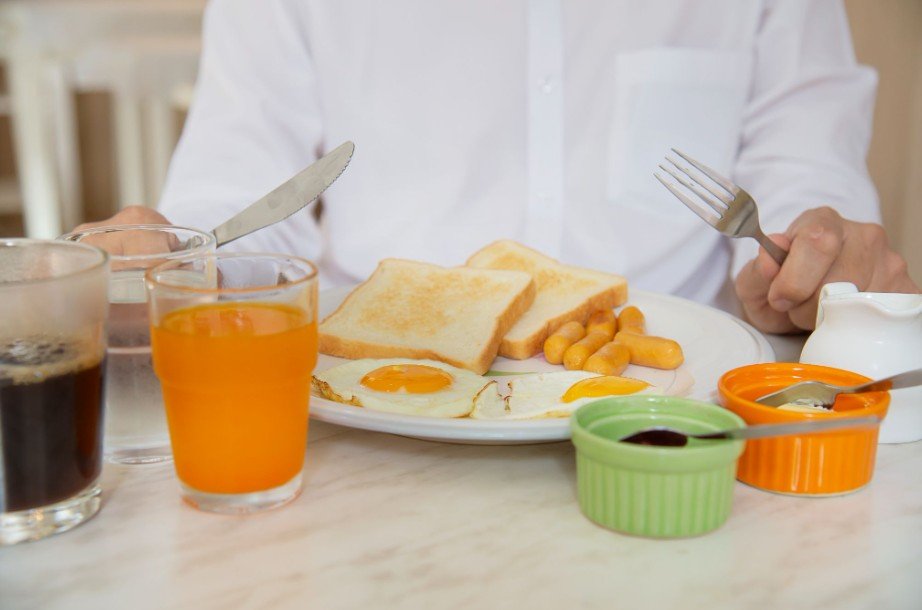
The first time I saw a crisp slice of scrapple sharing a plate with eggs, home fries, and toast, I understood why this regional food has held onto its place at the American breakfast table. The browned crust looked almost like sausage, but the softer center and grain-based texture made it completely different.
So, why is scrapple eaten for breakfast instead of being treated like an ordinary pork dish?
The answer reaches back to Pennsylvania Dutch farm kitchens, where thrift mattered, physical work started early, and families needed filling food that could be prepared efficiently.
Scrapple turned leftover pork into a practical loaf that could be sliced and fried within minutes. Later, factory workers, diners, public markets, and generations of Mid-Atlantic families helped transform that practicality into tradition.
Why Did Scrapple Become a Breakfast Food?
Scrapple made sense as a morning meal because most of the difficult preparation had already been done.
Traditional cooks simmered pork scraps and other usable portions of the hog, mixed the cooked meat and broth with grain, added seasonings, and allowed the thick mixture to cool into a firm loaf.
The next morning, nobody had to start from raw meat.
A cook could simply cut several slices from the loaf and fry them in a skillet until the outside became brown and crisp. Eggs, potatoes, biscuits, toast, or pancakes could cook alongside them.
For farm families facing an early start, that combination of convenience and heartiness was difficult to beat.
How Pennsylvania Dutch Thrift Created Scrapple
Scrapple is closely tied to Pennsylvania Dutch foodways and German-influenced cooking traditions brought to Pennsylvania by settlers beginning in the colonial era.
Hog butchering was an important seasonal event for farming households. Families used valuable cuts for roasts, hams, bacon, and other preparations, but smaller pork pieces and edible parts remained.
Throwing usable food away made little sense.
The philosophy is sometimes summarized as using “everything but the oink.”
Cooks simmered the remaining pork, often including organ meats in traditional versions, to produce a rich broth. They combined the meat and liquid with cornmeal, buckwheat flour, or other grain, then seasoned the mixture with ingredients such as sage, black pepper, thyme, and other spices.
The result was economical, flavorful, filling, and easy to portion.
That rural thrift eventually produced one of Pennsylvania’s most recognizable regional foods.
Why Was Scrapple Good Fuel for Farmers?
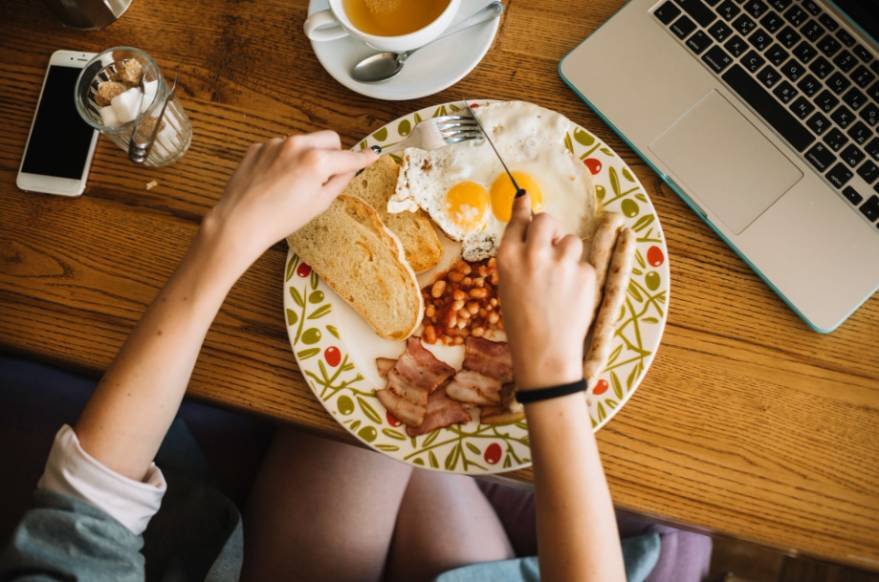
Breakfast in an 18th- or 19th-century farming household served a practical purpose.
People often faced hours of physically demanding work, so a small or delicate morning meal was not always ideal. Scrapple provided a substantial combination of pork and grain that could be served with eggs, bread, or potatoes.
Its density also helped families stretch a relatively small quantity of meat across more servings because grain formed an important part of the loaf.
That mattered economically.
Instead of treating leftover pork as scraps with little value, households transformed it into another complete meal.
I think this is one of the most important reasons scrapple survived. It was not created as a novelty. It solved a real household problem while producing something people genuinely enjoyed eating.
How Scrapple Followed Workers Into Industrial America
Scrapple did not remain limited to rural Pennsylvania.
As American communities industrialized during the 19th and early 20th centuries, traditional regional foods increasingly appeared in urban neighborhoods, markets, restaurants, and working-class kitchens.
Philadelphia became especially important to scrapple’s identity.
Families with Pennsylvania Dutch and Mid-Atlantic food traditions continued eating inexpensive, filling foods even as more people worked in factories, mills, workshops, transportation, and other physically demanding occupations.
Public food markets also helped preserve regional specialties. Philadelphia’s Reading Terminal Market, for example, became an important showcase for Pennsylvania food traditions and remains closely associated with local products today.
This movement helped scrapple evolve from farmhouse food into a recognizable regional comfort food.
Why Does Scrapple Taste Like a Breakfast Meat?
Scrapple works surprisingly well next to classic American morning foods.
When sliced and fried properly, the outside becomes crisp and deeply browned while the interior stays soft and savory.
That same appeal makes the best breakfast foods for a crowd especially useful when you want a filling morning meal with familiar flavors that everyone can enjoy.
Its seasoning can resemble traditional breakfast sausage because recipes often use herbs and spices associated with pork sausage, including sage and black pepper.
That flavor profile pairs naturally with scrambled eggs, fried eggs, toast, biscuits, pancakes, hash browns, and home fries.
The contrast also makes scrapple interesting.
The crust provides crunch while the center remains tender. A runny egg yolk adds richness, while toast or potatoes give the plate more texture.
For me, this is where scrapple stops feeling unusual and starts feeling like a logical diner breakfast.
What Do Americans Put on Scrapple?
People can become surprisingly opinionated about scrapple toppings.
Some prefer savory condiments such as ketchup or mustard. Others add maple syrup, apple butter, jelly, or molasses.
The sweet-and-salty combination makes more sense when you compare it with pancakes served beside bacon or sausage. Maple syrup touching breakfast meat is already common on American breakfast plates.
Scrapple simply fits into that same tradition.
Why Is Scrapple Still Popular in Pennsylvania?
Pennsylvania remains the center of American scrapple culture because the dish is deeply connected with Pennsylvania Dutch history and regional identity.
Scrapple is also familiar in nearby Mid-Atlantic states, including Delaware and Maryland.
You can still find it in diners, butcher shops, grocery stores, farmers’ markets, and family kitchens.
Regional breakfast traditions such as the history of biscuits and gravy for breakfast also show how practical, filling meals can become lasting parts of local food culture.
For people who grew up eating it, scrapple can carry memories of breakfasts with grandparents, local diners, hunting trips, weekends at home, or early mornings before work.
That emotional connection has helped the dish survive long after its original economic necessity faded.
How Did Diners Turn Scrapple Into a Breakfast Classic?
American diners helped reinforce scrapple’s morning identity.
Once scrapple appeared on restaurant menus beside bacon, sausage, ham, eggs, pancakes, and potatoes, customers naturally began thinking of it as another breakfast meat.
Regional diners were especially important because they preserved foods that national restaurant chains rarely served.
The forgotten breakfast foods from the 1950s also show how older American breakfast traditions can remain connected to regional food culture and family memories.
A traveler passing through Pennsylvania might encounter scrapple for the first time on a diner menu and order it alongside eggs and coffee.
That restaurant tradition helped move the dish beyond individual family recipes and turn it into part of the broader Mid-Atlantic breakfast experience.
Is Scrapple the Same as Breakfast Sausage?
Scrapple and breakfast sausage share some flavors, but they are structurally different foods.
Sausage usually relies primarily on ground meat, fat, and seasonings.
Scrapple combines cooked pork with broth and grain before the mixture is formed into a loaf.
That grain gives scrapple its characteristic soft interior and allows the outside to become especially crisp when pan-fried.
The difference also reflects scrapple’s original purpose. It was designed to extend available pork and use parts of the hog efficiently rather than simply create another sausage.
Is Scrapple Only for Breakfast?
Despite its strong morning reputation, scrapple does not have to stay on the breakfast plate.
Some people use it in sandwiches, burgers, breakfast sandwiches, and creative restaurant dishes.
Still, its strongest cultural connection remains breakfast.
Generations of families ate it early in the day, regional diners served it beside eggs, and its quick skillet preparation made it especially convenient in the morning.
That history explains why scrapple is eaten for breakfast even though there is nothing stopping someone from enjoying it at lunch or dinner.
Frequently Asked Questions
1. Why is scrapple eaten for breakfast in Pennsylvania?
Why is scrapple eaten for breakfast in Pennsylvania largely comes down to history, thrift, and convenience. Pennsylvania Dutch families could prepare the loaf ahead of time and quickly fry slices in the morning before a long day of farm work.
2. What is traditional scrapple made from?
Traditional scrapple generally combines cooked pork, broth, cornmeal or buckwheat, flour, herbs, and spices. Recipes vary considerably among families and commercial producers.
3. Does scrapple contain organ meat?
Some traditional scrapple recipes use organ meats and other edible portions of the hog, while modern commercial products vary in their ingredients.
4. What does scrapple taste like?
Scrapple usually has a savory pork flavor with peppery, herbal seasoning. When fried correctly, it develops a crisp exterior and a softer interior.
5. What should you serve with scrapple?
Classic pairings include eggs, home fries, toast, biscuits, pancakes, maple syrup, apple butter, ketchup, and jelly.
6. Is scrapple a Pennsylvania Dutch food?
Yes. Scrapple is strongly associated with Pennsylvania Dutch culinary traditions and remains one of Pennsylvania’s best-known regional foods.
A Breakfast Tradition Built From Practicality
When I look at scrapple today, I see much more than an inexpensive pork loaf.
I see a food shaped by Pennsylvania Dutch thrift, seasonal hog butchering, hard farm labor, industrial communities, public markets, neighborhood diners, and family memory.
Its success came from simplicity. Families could turn overlooked parts of a hog into a filling loaf, prepare it ahead of time, and fry it quickly when morning arrived.
The crispy texture and savory seasoning helped it survive after necessity disappeared.
That is why scrapple still shows up beside eggs, toast, and potatoes centuries after its early Pennsylvania roots. What started as practical farm food became a regional American breakfast tradition.












One thought on “Why Is Scrapple Eaten for Breakfast? The Real Story Behind the Tradition”