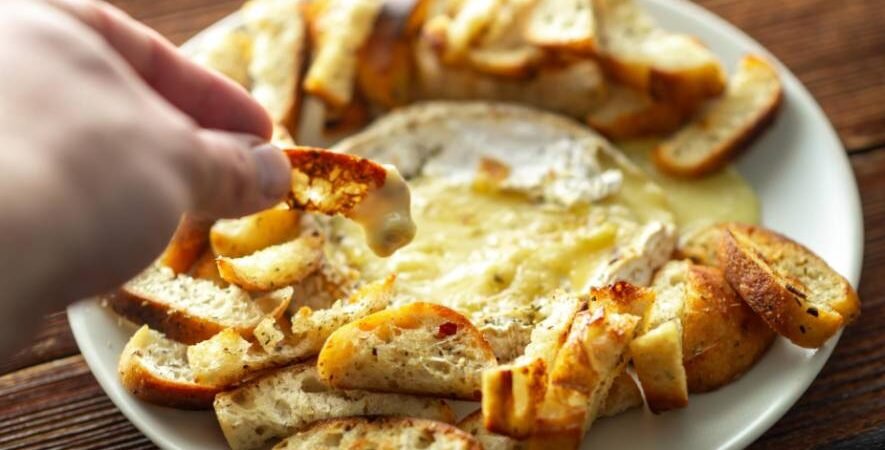
I can forgive an uneven pie crust, but a soggy grilled cheese sandwich loses me. That difference captures how texture influences comfort food appeal: the feeling of a bite can matter as much as its seasoning. Creamy macaroni, fluffy biscuits, and crisp fried chicken offer pleasures. Understanding those sensations helps explain why dishes satisfy us and why the recipe sometimes feels disappointing.
Why Does Texture Matter in Comfort Food?
Texture describes how food behaves when we bite, chew, and move it around our mouths. Mouthfeel includes related sensations such as thickness, smoothness, moisture, and temperature. Together, they help shape the eating experience.
Think about diner favorites. A burger needs more than seasoning: its tender patty, soft bun, and crisp pickle create different sensations. A bowl of chicken noodle soup offers another experience, combining warm broth with yielding noodles and tender chicken.
Texture also establishes expectations. We anticipate flaky pastry, smooth gravy, and moist meatloaf. When those expectations fail, familiar food can lose its appeal even if the flavor remains.
When those expectations fail, familiar food can lose its appeal even if the flavor remains. The meaning of familiar food can also depend on cultural traditions, which is why the differences between comfort food and soul food are worth considering alongside taste and texture.
Why Are Soft and Creamy Foods Comforting?
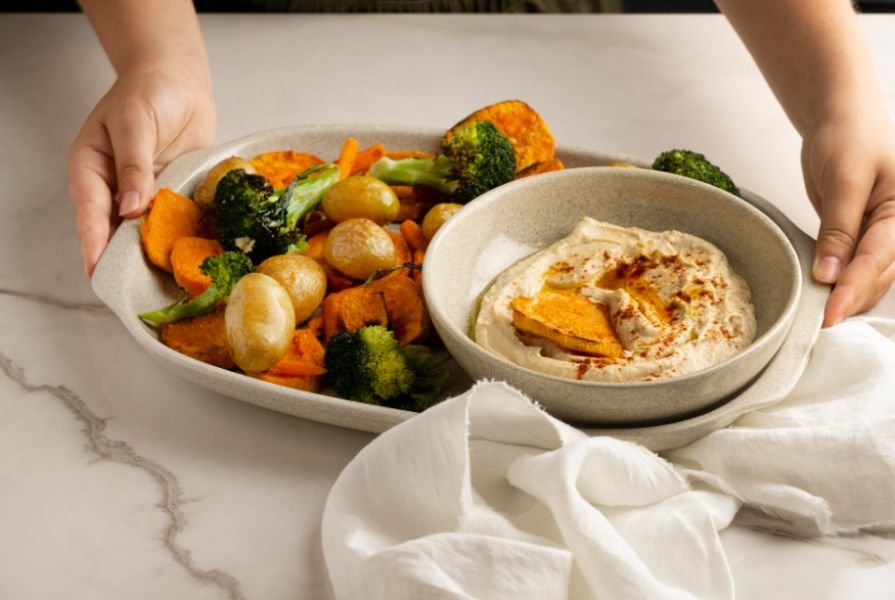
Many comforting dishes require little resistance with each bite. Mashed potatoes, pudding, oatmeal, and creamy grits provide an easy, consistent eating experience.
Mashed potatoes, pudding, oatmeal, and creamy grits provide an easy, consistent eating experience. Mashed potatoes are especially well suited to this combination of familiarity, softness, and richness, which helps explain why mashed potatoes are a comfort food staple.
Their familiarity may reinforce associations with home cooking and being cared for.
However, softness alone does not explain every preference. Someone who loves smooth pudding might dislike mushy vegetables. The dish, its preparation, and personal experience all matter.
Creaminess Is More Than Extra Fat
Creaminess combines several qualities, including smoothness, thickness, and lubrication. A sauce can be thick yet unpleasantly grainy, while a smooth soup can feel creamy without containing heavy cream.
For macaroni and cheese, aim for a sauce that coats the pasta without becoming pasty. Blended beans can give soup a smooth body, while carefully cooked potatoes provide richness through their own structure. Adding cream cannot automatically repair lumps or graininess.
How Does Crunch Make Familiar Dishes More Appealing?
Crunch introduces resistance and sound. A crisp chicken coating or browned casserole topping makes the eating experience different from a uniformly soft dish.
Crispness and crunch overlap, although cooks often use “crispy” for delicate, brittle surfaces and “crunchy” for a more substantial bite. Thin pie crust and toasted nuts illustrate that difference.
Contrast helps explain how texture influences comfort food appeal in grilled cheese, baked macaroni, and apple crisp. Each combines a yielding interior with a firmer exterior. Yet contrast is optional: a smooth custard can be satisfying without any topping.
Protect the Crisp Layer
Moisture softens crisp surfaces. Add croutons to soup just before eating, serve gravy beside fried chicken when preserving crunch matters, and keep toasted breadcrumbs separate from leftovers.
For casseroles, brown the topping near the end of cooking. Avoid covering a crisp topping immediately afterward, because trapped steam can soften it before serving.
What Do Tender, Fluffy, and Chewy Textures Add?
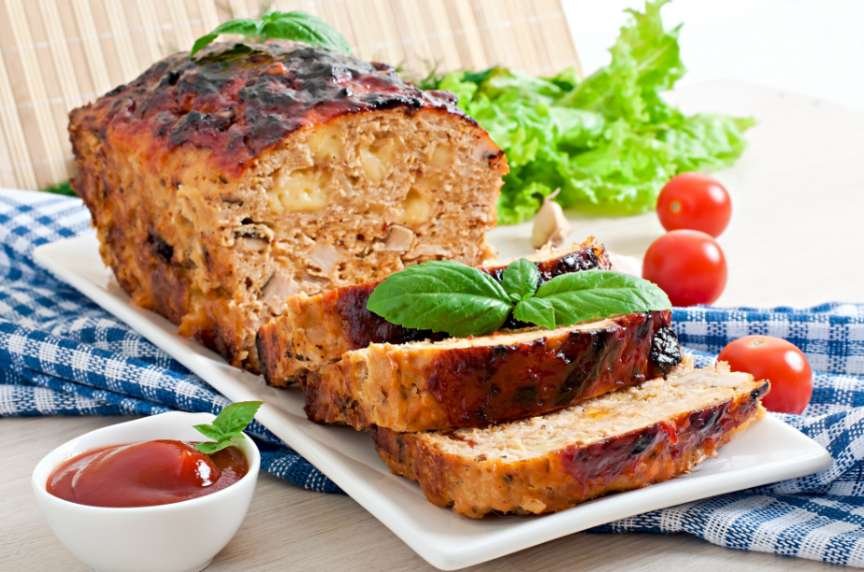
Tender pot roast and moist meatloaf offer a different pleasure from creaminess. They retain structure but yield readily when eaten. Tough or dry versions demand more chewing and depart from the expected experience.
Fluffy biscuits and pancakes feel light because their interiors contain air. Dense, compressed versions can taste similar while feeling less inviting. Gentle handling and appropriate mixing help preserve the texture the recipe intends.
Chewiness also belongs in comfort cooking. A chewy cookie or bread crust can be appealing when that resistance is expected. The goal is pleasant structure rather than toughness.
Flaky pastry adds another dimension: thin layers break apart around a soft filling. Chicken pot pie shows how tenderness, creaminess, and flakiness can work together.
How Do Memory and Personal Preferences Shape Appeal?
Comfort depends partly on familiarity. One person may want silky mashed potatoes, while another prefers a rustic version with small pieces. Neither preference establishes a universal standard.
Family traditions and cultural experiences influence what feels familiar. Those traditions become especially visible during celebrations, where familiar recipes and shared dishes help create the atmosphere described in comfort foods associated with holiday gatherings.
Cornbread, rice pudding, dumplings, and noodles can each carry different expectations about firmness, moisture, and smoothness.
Respect those differences when cooking for others. Offer crunchy toppings separately and ask whether diners prefer smooth or chunky soups. An added contrast may delight one person and disrupt another person’s favorite dish.
Frequently Asked Questions
1. What explains how texture influences comfort food appeal?
Texture shapes the sensations and expectations attached to eating. Smoothness, tenderness, crunch, and familiar combinations can make a dish appealing, but preferences vary between people and foods.
2. Does every comfort food need contrasting textures?
No. Contrast can add interest, but uniformly smooth pudding, creamy grits, or soft mashed potatoes may deliver exactly the experience someone wants.
3. Can nondairy dishes still feel creamy?
Yes. Blended beans, potatoes, and suitable plant-based ingredients can provide smoothness and body. Creaminess depends on the finished mouthfeel rather than dairy alone.
4. How can I improve texture without changing the recipe completely?
Identify the disappointing element first. Keep toppings dry, avoid overworking potatoes, and reheat sauces gently. Change one technique at a time so you can judge the result.
Make Every Bite Feel More Like Home
I approach comfort food by asking what the bite should feel like. Sometimes I want a crisp edge; sometimes I want something soft and simple. Paying attention to that preference makes cooking intentional. When texture matches the dish and the person eating it, ordinary ingredients can produce a meal worth returning to.