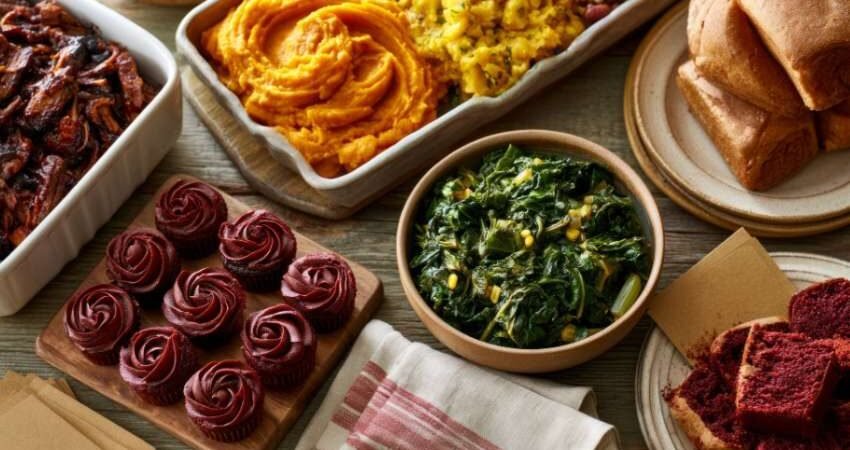
A bowl of chowder suggests a coastal kitchen, while a bubbling casserole brings potluck tables to mind. For me, exploring regional comfort foods across America means looking beyond famous restaurant orders to the everyday dishes people associate with family, familiarity, and belonging. These fifteen favorites offer a starting point, rather than a definitive ranking of what every state loves most.
What Makes Comfort Food Regional?
Regional comfort food combines familiar flavors with local ingredients, cooking traditions, and shared memories. Geography shapes what reaches the kitchen, while migration introduces dishes that communities adapt over generations.
A comforting meal might be a winter stew, a summer seafood sandwich, or a breakfast bought from a neighborhood diner. Comfort does not always mean heavy food; the connection to home matters just as much.
Comfort does not always mean heavy food; the connection to home matters just as much. That connection often begins early in life, which helps explain how childhood meals shape comfort food preferences as familiar dishes become associated with family, routines, and a sense of belonging.
New England and the Mid-Atlantic: Coastal Kitchens and Neighborhood Traditions
New England Clam Chowder and Connecticut Lobster Rolls
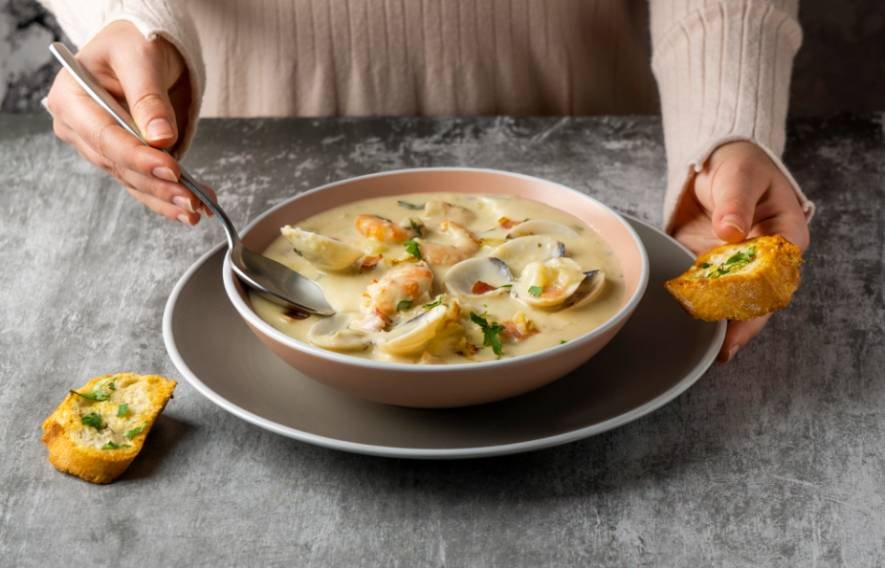
New England clam chowder brings clams, potatoes, onions, and a creamy broth together in a filling bowl. Oyster crackers add crunch alongside the seafood. It represents a recognizable coastal comfort tradition, although recipes differ between kitchens.
Connecticut-style lobster rolls offer another expression of coastal comfort. Warm lobster dressed with melted butter fills a split-top bun. The contrast with chilled, mayonnaise-dressed versions shows how neighboring communities can develop different ideas of the same comforting meal.
Pennsylvania Pierogies
Pierogies connect Pennsylvania comfort cooking with Eastern European immigrant traditions, around Pittsburgh. Potato-and-cheese fillings make these dumplings satisfying, whether boiled or browned in butter. Onions and sour cream are familiar accompaniments. Their appeal extends beyond one state, making them a useful reminder that culinary regions rarely follow tidy borders.
The South and Appalachia: Meals Built Around Sharing
Biscuits and Gravy
Tender biscuits covered with peppery sausage gravy turn inexpensive pantry ingredients into a substantial breakfast. The dish belongs to a broader Southern tradition of filling meals and practical cooking. A good plate balances the biscuit’s texture with gravy thick enough to coat it without becoming pasty.
Chicken and Dumplings
Chicken and dumplings bring poultry, broth, and dough together in one warming pot. Some families prefer fluffy dropped dumplings; others roll the dough into thin strips. That variation is part of its identity. Rather than presenting one recipe as universal, a regional guide should recognize the family traditions behind each version.
Louisiana and the Gulf Coast: Comfort by the Bowl
Gumbo and Shrimp With Grits
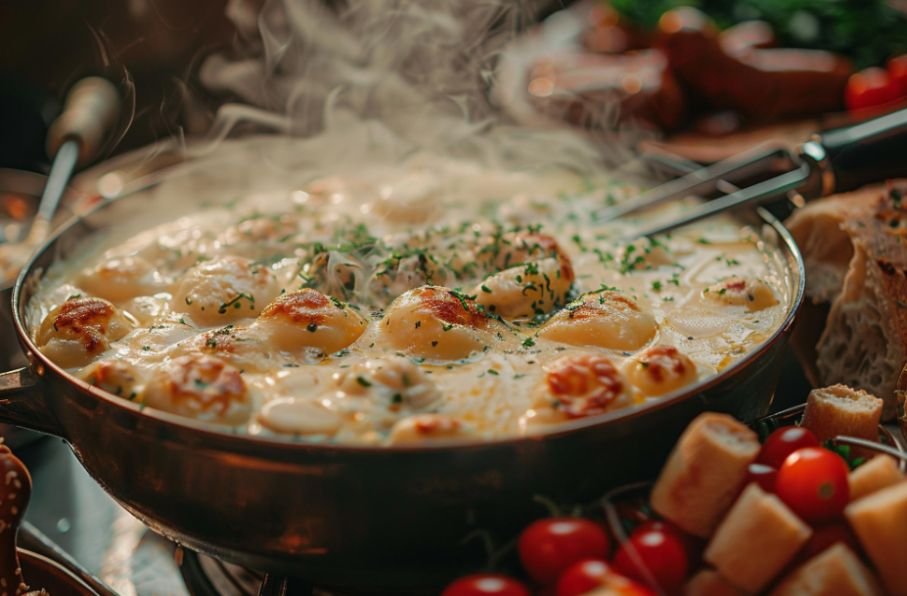
Gumbo reflects Louisiana’s intertwined culinary traditions. Versions may feature seafood, chicken, sausage, or different combinations, with thickening methods and seasonings varying between cooks. Rice accompanies the stew, while cooking builds depth. Cajun and Creole food should receive their own context rather than being treated as interchangeable labels.
Shrimp with grits offers another coastal favorite, especially associated with the Carolina Lowcountry. Creamy ground corn provides a base for shrimp and savory pan juices. Versions might include bacon or sausage, but the dish’s character rests on the contrast between tender seafood and comforting grits.
The Midwest and Great Lakes: Potluck Pans and Hearty Sandwiches
Minnesota Hotdish
Hotdish combines protein, vegetables, and a binding sauce in a baked meal. Tater tots form the topping in a version, although other preparations exist. Its practicality helps explain its place at family dinners and community gatherings: one pan feeds several people and travels easily.
Its practicality helps explain its place at family dinners and community gatherings: one pan feeds several people and travels easily. Mashed potatoes share that same combination of familiarity, versatility, and family-table appeal, which helps explain why mashed potatoes are a comfort food staple.
Chicago Italian Beef
Chicago’s Italian beef sandwich layers thinly sliced beef onto a roll with seasoned juices. Sweet peppers or spicy giardiniera add contrast. Ordering it dipped changes the bread’s texture considerably. Such serving details make regional food distinctive and help newcomers understand what arrives on their plate.
Texas and the Southwest: Smoke, Chiles, and Local Identity
Texas Brisket and New Mexico Green Chile Stew
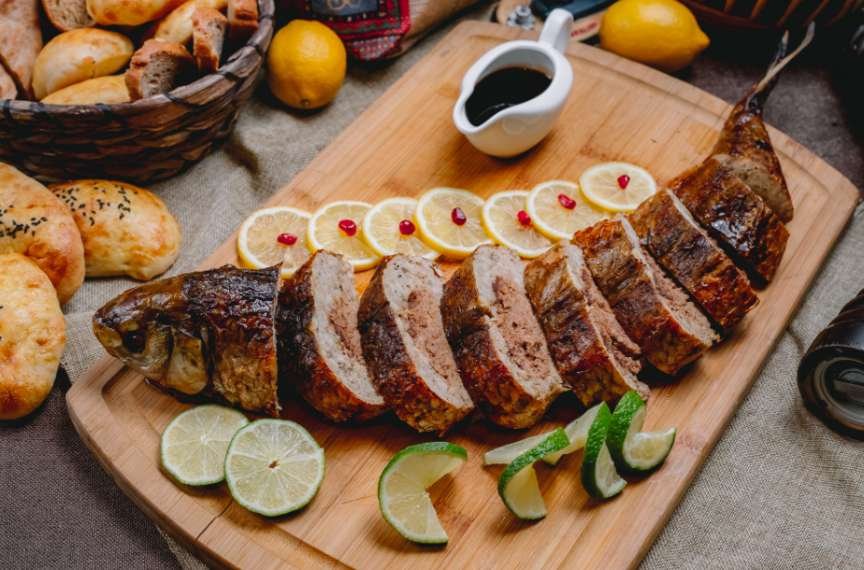
Central Texas-style brisket emphasizes smoke, seasoning, and slow cooking. Slices often arrive with simple accompaniments such as pickles, onions, and bread. Barbecue varies throughout Texas, so this style represents one tradition within a much larger food landscape.
New Mexico green chile stew pairs roasted chiles with ingredients such as pork and potatoes. Heat levels depend on the chiles and preparation. Its roasted flavor distinguishes it from generic chili, while the bowl format makes it an approachable example of Southwestern home cooking.
The Mountain West, Pacific Coast, Alaska, and Hawaii
Funeral Potatoes and Fish Tacos
Utah’s funeral potatoes combine potatoes, cheese, and a creamy base beneath a crisp topping. The casserole’s association with communal meals helps explain its comforting reputation.
Southern California fish tacos offer a different texture: fish, cabbage, and sauce tucked into tortillas. Their connection to Baja California highlights how regional food traditions extend across national borders.
Alaska Salmon and Hawaii Loco Moco
Salmon connects Alaska’s food traditions to its waters, with preparations including smoking and grilling. Loco moco, a Hawaii favorite, layers rice, a hamburger patty, gravy, and a fried egg into a satisfying everyday meal.
Frequently Asked Questions
1. What are regional comfort foods across america?
They are familiar dishes shaped by local ingredients, cultural traditions, and family memories. Examples include New England clam chowder, Minnesota hotdish, Louisiana gumbo, and Hawaii’s loco moco.
2. Why do comfort foods differ between regions?
Climate, agriculture, migration, and available ingredients influence regional cooking. Coastal communities often feature seafood, while other areas favor casseroles, smoked meats, or warming stews.
3. Can the same comfort food belong to several regions?
Yes. Dishes travel with families and communities, developing local variations along the way. Chicken and dumplings, for example, can feature fluffy dropped dumplings or thin, rolled strips of dough.
4. How can I explore regional comfort food at home?
Start with one dish and learn its customary ingredients, preparation, and accompaniments. Try a regional recipe, then explore variations while respecting the traditions behind it.
What I Take Away From These Tables
I see regional comfort foods across America as invitations to understand the people behind the plate. That same attention to local dining customs is useful when exploring tipping etiquette at diner breakfast counters, where service traditions can be just as important to the experience as the food itself.
I would start with one unfamiliar favorite, learn how locals serve it, and leave room for different family versions. The most memorable meal often reveals something about home.