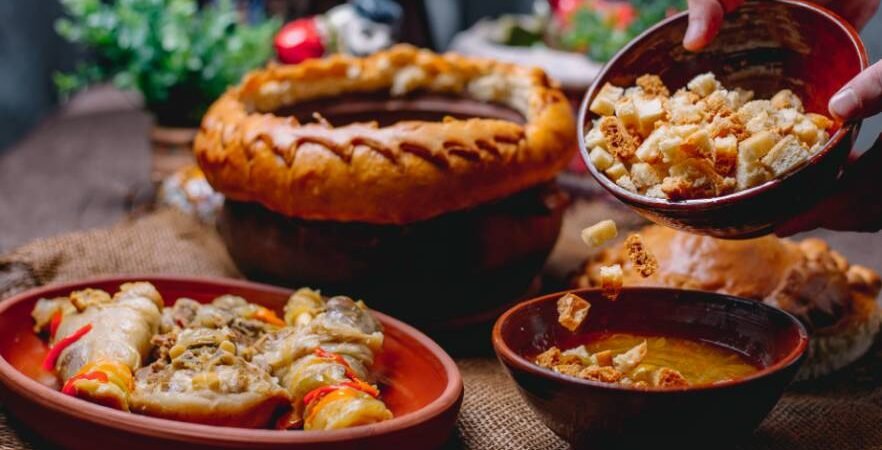
I find a crowded potluck table more revealing than a restaurant menu. A bubbling casserole, a basket of homemade rolls, and a pie with an uneven crust show how people care for one another. Exploring comfort food traditions in the American midwest means looking beyond rich ingredients to the occasions that make these dishes meaningful.
Across the region, everyday cooking carries stories of migration, local harvests, resourcefulness, and hospitality. The most interesting question is not simply what tastes good, but why certain meals keep returning to the table.
What Makes Midwestern Comfort Food Distinctive?
Midwestern cooking varies considerably between Great Lakes communities, industrial cities, and Plains towns. Still, many familiar dishes share a practical purpose: making accessible ingredients satisfying enough to feed a household or gathering.
Potatoes, corn, meat, dairy, and bread appear frequently, but they tell only part of the story. Indigenous foodways and successive immigrant communities shaped regional eating long before modern casserole recipes became familiar.
Cold weather helps explain the appeal of warm soups and baked dinners.
The warmth and familiarity of these dishes also explain why slow-cooked meals feel comforting, especially during colder months when hearty food becomes part of the evening routine.
Equally important are repeatable recipes, generous portions, and the reassurance of recognizing a dish someone has made for years.
Why Hotdish Belongs at the Community Table
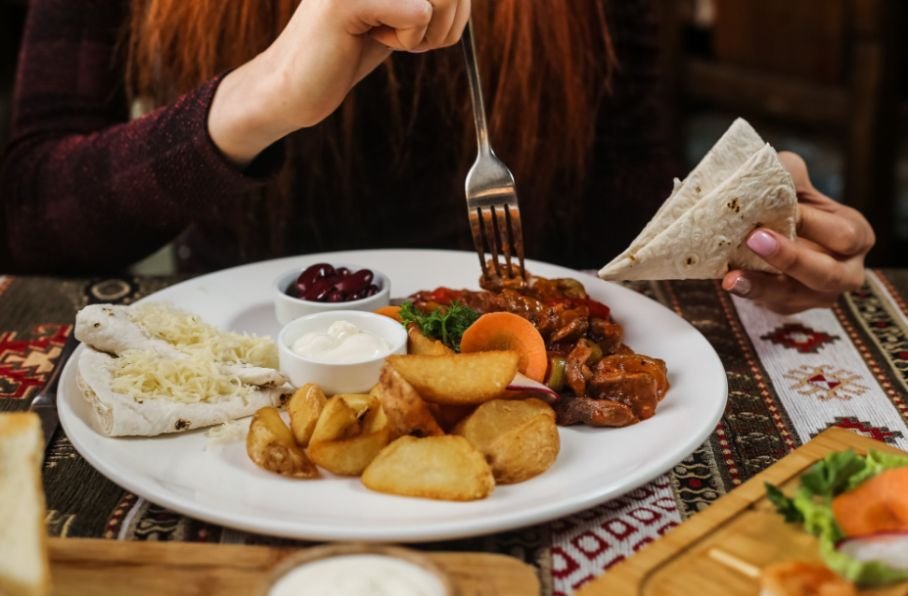
In Minnesota and North Dakota, hotdish represents a recognizable form of everyday hospitality. Its combination of starch, protein, vegetables, and binding sauce makes a complete meal convenient to prepare and share.
Hotdish also demonstrates how classic comfort food pairings can bring familiar ingredients together into a satisfying meal that works well for family gatherings and community tables.
Hotdish Versus Casserole
Hotdish falls within the broader casserole category, but the words are not interchangeable everywhere. A casserole might be a side dish; hotdish generally functions as the main meal. Tater tot versions are especially recognizable, although chicken, rice, and other variations also belong to the tradition.
Canned cream soup provides a convenient sauce in many recipes. Homemade cream sauces work too, so convenience ingredients should not define every version.
The Meaning Behind the Baking Dish
Church suppers, family reunions, and shared neighborhood meals give a portable baking dish extra significance. It stretches ingredients, travels easily, and allows the cook to contribute something substantial. Serving it communicates care through a practical gesture.
How Immigrant Recipes Became Local Favorites
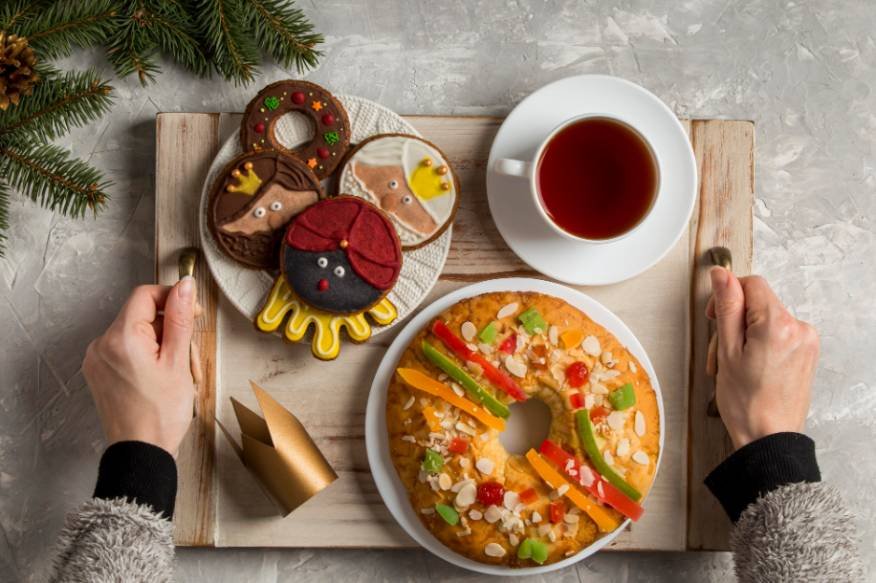
The richness of comfort food traditions in the American Midwest becomes clearer when individual dishes retain their cultural connections.
These regional adaptations also reflect how immigrant communities shaped American comfort food, as traditional recipes evolved alongside new ingredients, neighbors, and local customs.
Recipes changed as cooks encountered different ingredients, working conditions, and neighbors.
Dakota Knoephla and Nebraska Bierocks
Knoephla soup connects the Dakotas with German-Russian food traditions. Dumplings and potatoes create a substantial bowl, demonstrating how ordinary ingredients can become a cherished regional meal.
In Kansas and Nebraska, bierocks combine soft bread with savory fillings commonly featuring beef, cabbage, and onions. Associated with Volga German heritage, these portable bundles show how bread can serve as both staple and meal container. Nebraska’s Runza tradition belongs to this related food family.
Wisconsin Booyah and Kansas Zwiebach
Wisconsin booyah has Belgian connections and brings hearty soup into the regional conversation. Its name has uncertain origins, making cautious historical wording more useful than a tidy invention story.
Kansas zwiebach reflects Mennonite baking traditions. These soft rolls offer another reminder that regional comfort extends beyond meat and cheese to carefully repeated bread recipes.
The School Lunch Pairing That Surprises Outsiders
Chili beside a cinnamon roll may sound unexpected, but the combination carries school cafeteria memories in some Midwestern communities. The contrast joins savory warmth with a soft, sweet baked accompaniment.
This pairing is not universal across the region. Some lifelong Midwesterners recognize it immediately; others have never encountered it. That variation makes the tradition more interesting, revealing how local lunch menus can shape lasting food preferences.
Why Dessert Is Part of the Tradition
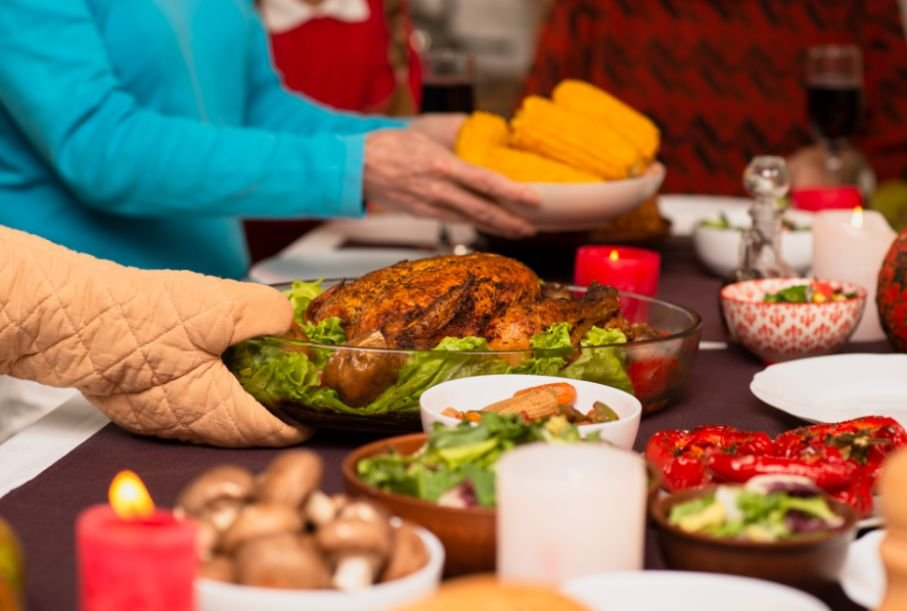
Dessert often extends the hospitality of the main meal. A pie or pan of cake can be divided among guests, carried to a gathering, or served again with coffee.
South Dakota kuchen reflects German baking influences, while Dakota juneberry pies connect dessert with regional fruit. Iowa Dutch letters and Missouri gooey butter cake offer different expressions of local identity.
These sweets matter because familiarity accumulates. A particular filling, pastry shape, or serving ritual can make an ordinary dessert feel inseparable from a place or occasion.
Frequently Asked Questions
1. What defines comfort food traditions in the American Midwest?
They combine familiar regional dishes with recurring customs, including shared suppers, potlucks, baking, and family recipes. Their meaning comes from both the food and the people sharing it.
2. Is hotdish always made with tater tots?
No. Tater tots are one popular option. Rice, pasta, and other starches appear in variations alongside protein, vegetables, and sauce.
3. Do all Midwestern families eat chili with cinnamon rolls?
No. The pairing is associated with particular communities and school lunch traditions, rather than every household throughout the region.
4. Can traditional recipes change without losing their meaning?
Yes. Ingredient substitutions and personal preferences can coexist with familiar flavors, shared occasions, and respect for a recipe’s background.
Keeping a Place at the Table
I appreciate these meals most when their stories remain attached to them. Knowing who shared a recipe or why it suited a community makes the food more memorable. I would start with one regional dish, learn its background, and invite someone to share it.
Keeping a tradition alive can begin with that simple, generous meal. Writing down the ingredients helps, but I would also record the small details: who usually cooked it, when it appeared, and what everyone looked forward to enjoying together each time.