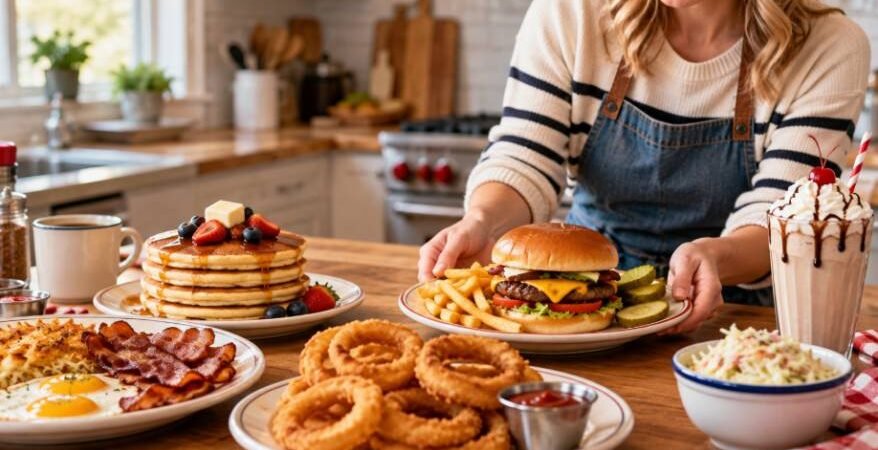
I have always liked the way diner food manages to feel generous without being complicated. A plate of crisp hash browns, pancakes, or a hot patty melt can make an ordinary morning feel special. The appeal comes from familiar flavors and good textures.
I also noticed that making these favorites at home does not require recreating a commercial kitchen. A cast-iron skillet, a griddle, a sturdy sheet pan, and a few smart techniques can get surprisingly close. Keep the soul of diner cooking while making small changes for modern kitchens.
What Makes a Diner Recipe Feel Classic?
Classic diner food usually succeeds through contrast. Think crisp potatoes beside soft eggs, browned bread around a juicy filling, or a crunchy chicken-fried steak covered with creamy pepper gravy. They rely on heat, seasoning, butter, oil, cheese, bread, potatoes, eggs, and other dependable ingredients.
That simplicity is useful at home. Instead of adding complicated components, focus on details that create diner-style texture. Preheat the skillet properly, avoid overcrowding the pan, season each layer, and give browned food enough time to develop a deep crust. Those choices matter at home.
Give Diner Breakfasts a Modern Kitchen Upgrade
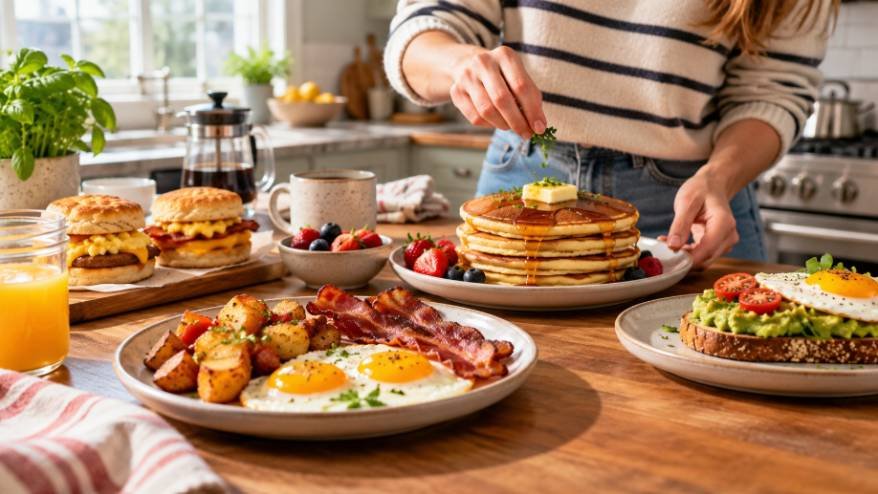
Pancakes, hash browns, omelets, French toast, and breakfast sandwiches all adapt well to common kitchen equipment.
Overnight yeasted buttermilk pancakes are a good example. Resting the batter overnight develops a deeper tang and creates a lighter texture without requiring an elaborate recipe. Let the surface heat fully before adding batter, and wait for bubbles and set edges before flipping.
Hash browns benefit even more from technique. Rinse shredded russet potatoes to remove excess starch, squeeze them very dry, then spread them into a thin layer over hot butter and oil. Pressing the potatoes firmly against the skillet creates the crisp crust associated with a good diner breakfast. Resist the urge to keep moving them. One well-timed flip is better than constant stirring.
For another option, build a breakfast patty melt with diner instincts and modern ingredients. A beef patty, caramelized onions, Swiss cheese, sourdough, and Dijon sauce bring familiar elements together while adding texture and acidity. Sourdough holds up well when toasted in cast iron.
These ideas fit naturally alongside old-fashioned diner recipes worth making at home, especially when the goal is familiar food that works with today’s equipment.
Rethink Diner Lunch and Dinner Favorites
Diner cooking turns inexpensive ingredients into satisfying meals. Small adjustments can make the results more balanced.
Chicken-fried steak is a prime example. Pound cube steak thin so it cooks quickly, season the flour generously, and use a double dredge for a sturdier crust. A hot skillet helps the coating brown before the meat overcooks. After frying, use the browned bits and pan drippings to build pepper gravy with whole milk.
Meatloaf also benefits from a thoughtful update. Ground turkey can replace some or all of the beef for a lighter version, while bacon adds fat and savory flavor that helps prevent the loaf from becoming dry. Bake at 375°F, then rest before slicing.
A tuna melt can move in a fresher direction without losing its diner identity. Solid white albacore, celery, capers, lemon zest, and mayonnaise create a filling with crunch and brightness. Spoon it over rye bread, add sharp cheddar, and broil until the cheese bubbles.
Use Modern Techniques Without Losing the Nostalgia
Modernizing diner recipes does not mean turning every dish into something trendy. The best updates improve convenience, texture, or flavor while keeping the recognizable character.
An air fryer can handle fries, onion rings, and reheated leftovers when a full deep-fry setup feels excessive. A sheet pan can roast potatoes or vegetables while the main dish cooks elsewhere. A digital thermometer removes guesswork from meatloaf, chicken, and burgers and ensures safe internal temperatures. Cast iron provides the heat needed for crisp edges and browning.
Ingredient choices can change too. Better bread, sharper cheese, fresh herbs, smoked paprika, pickles, or lemon can wake up a familiar recipe without overwhelming it. The goal is not to make diner food fancy, but cleaner and more satisfying.
Serve one substantial main item with a crisp side and something fresh. That keeps the meal filling without feeling heavy.
Keep the Diner Counter Spirit
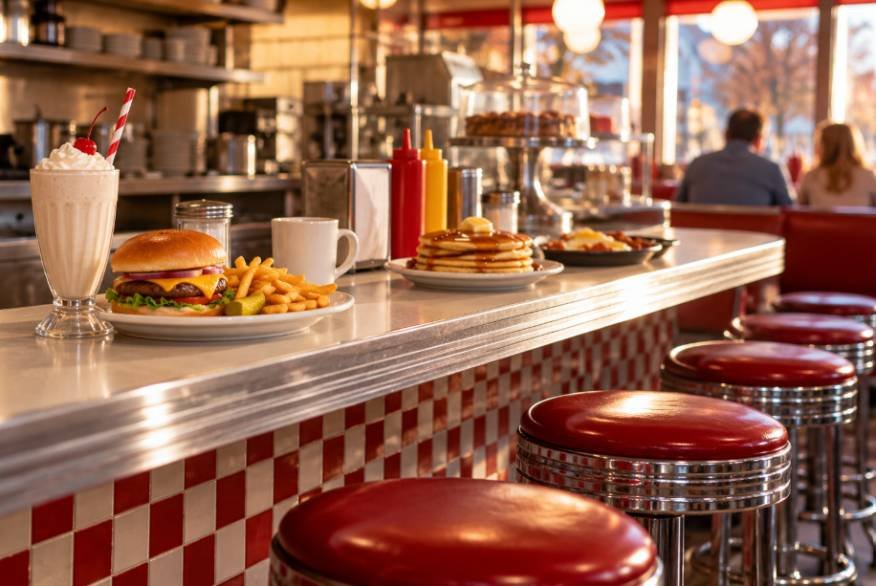
Some diner foods are worth preserving because their charm depends on familiarity. A cheeseburger with crisp lettuce, a grilled cheese with tomato soup, a thick milkshake, or a slice of warm apple pie does not need much reinvention.
The changing role of small-town diners also shows why preserving these familiar meals matters, as local diners increasingly face the challenges explored in why small-town diners are fading.
Breakfast offers room for experimentation with seasonal fruit, better breads, sauces, and toppings. Retro diner breakfast recipes with a modern twist can keep the old-school comfort while making room for ingredients that suit today’s tastes.
The same principle works across lunch and dinner. Keep the recognizable base, then make one or two deliberate improvements. A sharper sauce, better browning, crunchier potatoes, or fresher garnish can change the experience without changing what the dish is.
Frequently Asked Questions
1. What makes food taste like diner food?
Diner flavor usually comes from strong browning, generous seasoning, crisp textures, creamy sauces, and familiar ingredients rather than complicated techniques.
2. Can diner recipes be made without a griddle?
Yes. A large skillet, cast-iron pan, or nonstick frying pan can handle most diner favorites. Heat control matters more than specialized equipment.
3. How can classic diner food feel lighter?
Use smaller portions, leaner proteins, fresh toppings, vegetables, and stronger seasonings. These changes preserve flavor while reducing heaviness.
4. What diner foods are easiest to make at home?
Pancakes, hash browns, grilled cheese, patty melts, tuna melts, burgers, and milkshakes are particularly approachable for home cooks.
Why These Classics Still Belong in the Home Kitchen
The best diner recipes survive because they are practical as much as they are nostalgic. They turn ordinary pantry ingredients into meals with crisp edges, creamy centers, browned surfaces, and flavors people recognize immediately. Updating them for a modern kitchen should make that experience easier, not erase what made the food memorable in the first place.
Some diner foods are worth preserving because their charm depends on familiarity. A cheeseburger with crisp lettuce, a grilled cheese with tomato soup, a thick milkshake, or a slice of warm apple pie does not need much reinvention, which is why the history of the American diner endures.
A good diner-inspired meal does not need perfection. It needs heat, timing, seasoning, and a little care. That is enough to make an old favorite feel right at home.