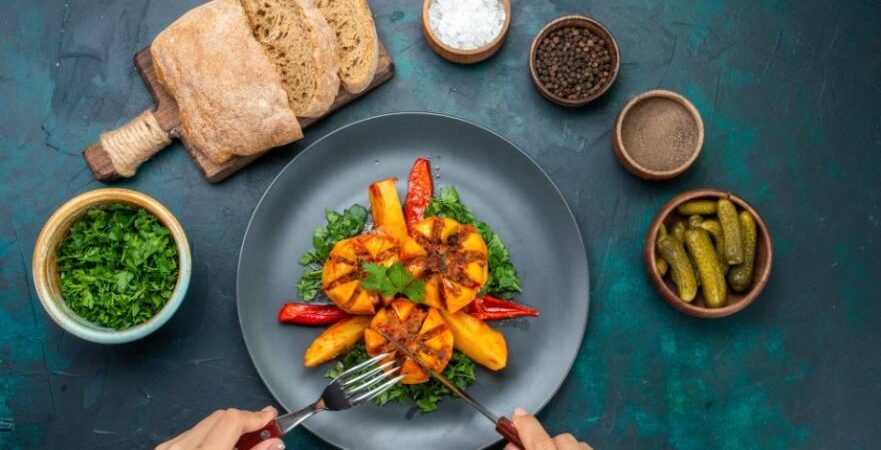
I like to think a family meal begins before anyone takes a seat. It starts with the scrape of a serving spoon, the smell of something simmering, and someone asking whether there is enough bread. When I explore comfort food traditions at family sunday dinners, those small details interest me as much as the recipes.
A familiar dish can carry a person’s cooking style, a household’s history, and the promise of another gathering. Understanding these traditions helps us preserve what matters while making room for changing tastes, budgets, and schedules.
What Makes Sunday Dinner Different From an Everyday Meal?
Sunday dinner is a recurring shared meal that families set apart through familiar food, time together, and repeated customs. It may happen at lunchtime, during the afternoon, or in the evening. The timing depends on the household.
For some families, the gathering follows worship. Others build it around a day off, visiting relatives, or the pause before another working week. There is no single origin or menu that explains every family’s experience.
What makes it distinctive is the expectation of returning. The same serving dish appears, someone brings a favorite dessert, and conversation continues after the plates are cleared.
The Comfort Foods That Earn a Permanent Place
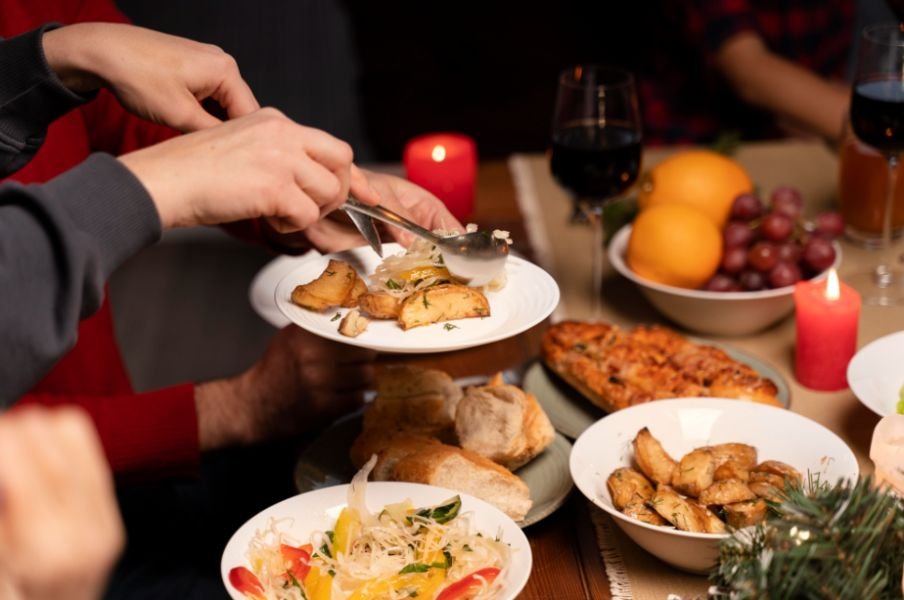
A traditional menu usually reflects what a family knows how to cook, can afford, and enjoys sharing. Familiarity gives an ordinary recipe its importance.
Roasts, Braises, and Stews
Roast chicken, pot roast, and vegetable stews suit a shared table because they can provide several portions from one main dish. Their cooking methods also create opportunities to prepare other parts of the meal while the centerpiece cooks.
These kinds of filling, practical meals also resemble the hearty foods associated with lumber camp life, where substantial dishes helped sustain people through demanding workdays.
The tradition might involve carving at the table, serving gravy in a particular jug, or reserving a preferred piece for an older relative. These gestures give the meal its recognizable character.
Pasta and Baked Dishes
Lasagna, baked pasta, and casseroles offer another approach. A large baking dish can move straight from the kitchen to the table, making serving straightforward.
In some households, preparing sauce becomes the central ritual. In others, the familiar element is a browned topping or a filling that changes with the season. The recipe becomes meaningful through repetition and participation.
Sides, Bread, and Something Sweet
Mashed potatoes, greens, roasted vegetables, rice, and beans can carry just as much family history as the main course. Bread may be passed first, while a particular condiment always sits beside the same plate.
Dessert often gives people a reason to linger.
The contrast between a hearty main meal and a sweet dessert also reflects the appeal of savory vs. sweet comfort foods, with each offering a different kind of satisfaction at the family table.
A fruit crumble, pudding, cake, or pie can become someone’s signature contribution without requiring an elaborate menu.
Why Familiar Recipes Feel So Personal
The meaning of comfort food traditions at family Sunday dinners often lies in the associations surrounding the meal. A familiar flavor may remind someone of a relative, a former home, or a period when everyone gathered regularly.
Those connections can also be strengthened by how food aromas bring back comforting memories, allowing familiar cooking smells to evoke people, places, and shared family moments.
However, comfort is personal. One person’s cherished stew may feel unfamiliar to another. Families with different backgrounds may combine dishes, substitute locally available ingredients, or develop new favorites together.
Preserving a tradition works best when everyone can contribute. Asking which dish each person values can reveal memories that the usual cook never knew existed.
How Families Pass Recipes Between Generations
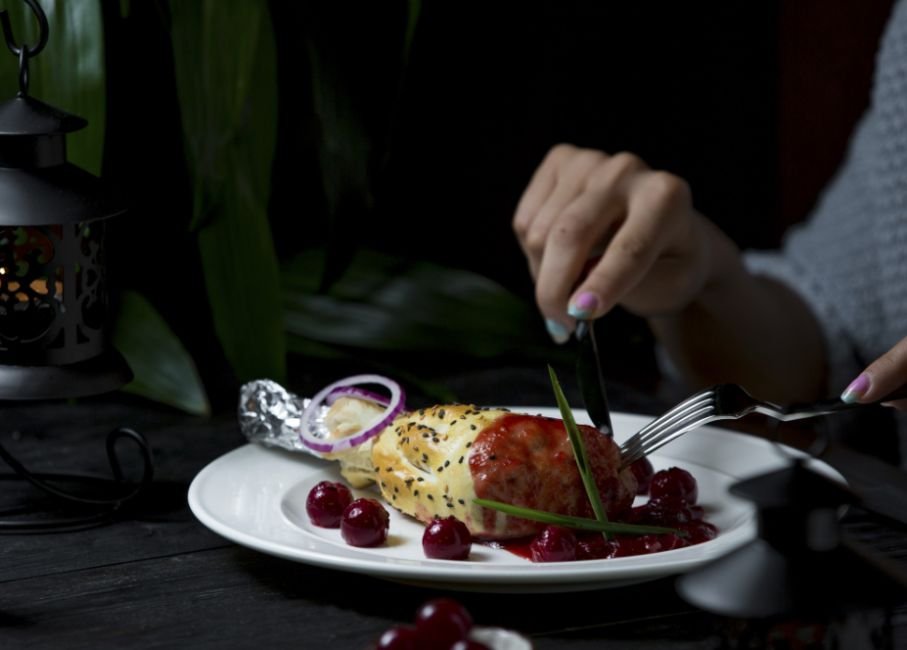
Many treasured recipes exist partly in someone’s hands: a pinch of seasoning, a judgment about thickness, or a feeling for when dough is ready.
Cook Together and Record the Details
Invite a relative to demonstrate one dish while another person writes down ingredients, quantities, and cooking cues. Record what the mixture should look like rather than relying only on a timer.
Ask about substitutions, serving customs, and who originally taught the recipe. These details preserve the story alongside the instructions.
Children can help through suitable tasks such as washing vegetables, measuring ingredients, or setting the table. Participation gives them a practical connection to the gathering.
Keep the Gathering Manageable
Choose one familiar main dish, two simple accompaniments, and an optional dessert. A repeatable menu is easier to sustain than an ambitious weekly feast.
Share preparation and cleanup. One person can bring bread, another can prepare vegetables, and someone else can handle dishes. Rotate hosts when possible. Even an occasional gathering can create memories worth returning to.
Ask about allergies and dietary preferences beforehand. A vegetable main dish or separately served sauce can help more people enjoy the meal. Adaptations can become part of the tradition themselves.
Frequently Asked Questions
1. What are comfort food traditions at family sunday dinners?
They are familiar dishes and repeated mealtime customs that families associate with gathering on Sundays. Examples include preparing an inherited recipe, passing shared platters, enjoying a regular dessert, and telling stories around the table.
2. Does Sunday dinner have to include a roast?
No. Pasta, soup, beans, rice, or a vegetable casserole can serve as the centerpiece. Choose something that suits the household.
3. How can I begin a tradition affordably?
Start with a simple shared meal and divide contributions. Use seasonal vegetables, pantry staples, and recipes everyone enjoys.
Make Room for Another Sunday
I would rather begin with one manageable dish than wait for the perfect gathering. I find meaning in sharing the cooking, listening to recipe stories, and giving everyone a place to contribute. Over time, those repeated moments become the tradition worth keeping.