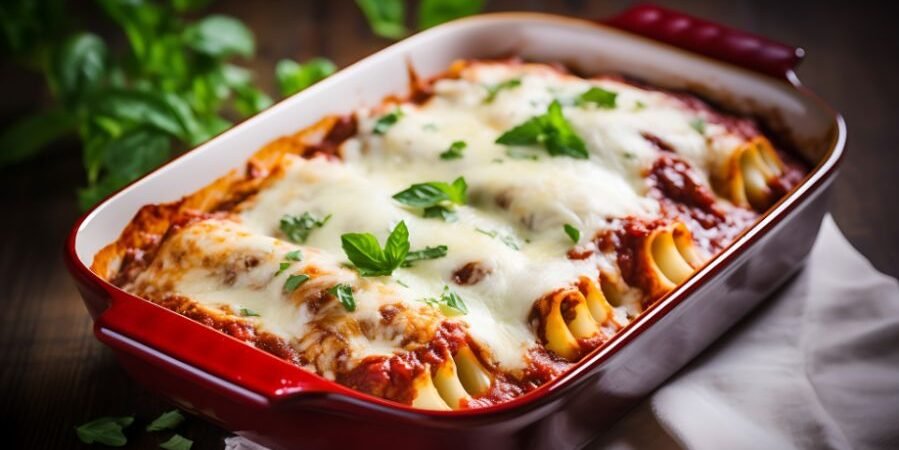
I find it telling that a foil-covered baking dish can say so much before anyone lifts the lid. It might mean dinner is handled, relatives are coming, or someone remembered a family going through a difficult week.
When I consider why casseroles became family comfort food staples, that combination of practical help and emotional reassurance stands out. Affordable ingredients brought them into everyday kitchens, while shared meals gave them lasting meaning.
What Makes a Casserole a Family-Friendly Meal?
A casserole generally brings ingredients together in a baking dish that also serves as its serving vessel. Many combine protein, vegetables, rice or pasta, and a sauce, although vegetable side dishes and breakfast casseroles follow different formulas.
The format accommodates both everyday dinners and special occasions. A tuna noodle bake can stretch pantry ingredients, while a bubbling potato casserole can anchor a holiday spread. Families can adjust portions, substitute ingredients, and serve several people without preparing separate dishes for everyone.
How Casseroles Helped Families Stretch Their Budgets
Casseroles did not suddenly appear in the 1950s. Baked dishes existed across different food cultures long before modern American convenience cooking. However, economic hardship helped establish the appeal of combining inexpensive staples into substantial meals.
Starches Made Smaller Portions Go Further
During the Great Depression and wartime shortages, potatoes, noodles, and rice helped cooks extend limited amounts of meat. Vegetables added variety, while gravy or another binding sauce brought the ingredients together.
That approach made thrift feel satisfying. The idea that comfort does not depend on expensive or elaborate ingredients is also central to understanding what makes a meal comfort food.
A modest quantity of chicken could become a family dinner rather than a few small individual servings. Leftover ingredients also found a useful home, reducing waste and helping households manage what they already had.
Why Convenience Foods Accelerated Their Popularity
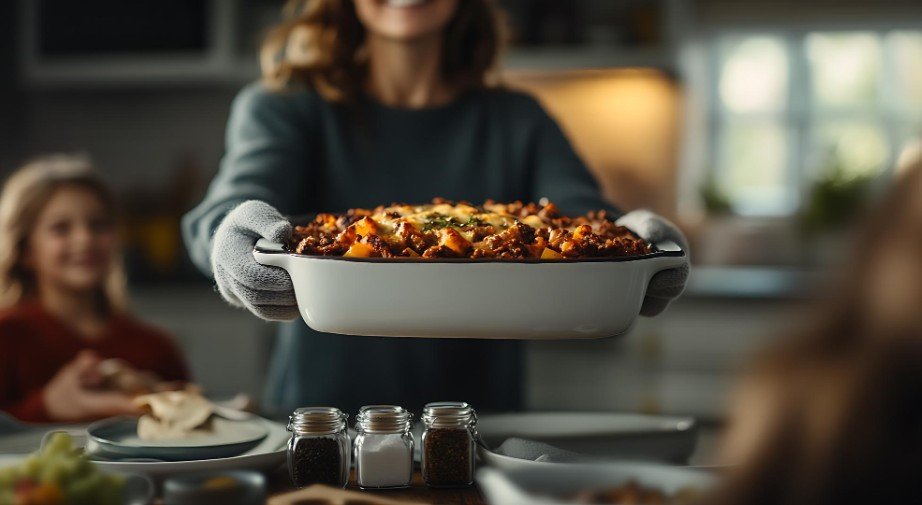
The midcentury casserole boom reflected changes in shopping and cooking. Oven-safe glass bakeware, canned ingredients, and packaged foods made many recipes easier to assemble consistently.
Recipes on Packaging Encouraged Familiar Favorites
Food companies promoted dishes using their products, giving home cooks accessible instructions and predictable results. Condensed soups supplied a ready-made sauce, while canned vegetables and packaged toppings shortened preparation.
Green bean casserole illustrates how a convenient recipe could become a repeated holiday tradition. Tuna noodle casserole offered another practical combination of shelf-stable ingredients and filling pasta. These recipes helped establish recognizable flavors that families could recreate without mastering complicated techniques.
How One Baking Dish Fit Busy Family Routines
Understanding why casseroles became family comfort food staples also means recognizing the work they saved. Cooks could assemble many dishes ahead of dinner, then bake them when needed.
This flexibility mattered when feeding children, accommodating different schedules, or preparing a larger gathering. The practical side of feeding people at scale also connects with the role of the short order cook in diner culture, where speed, coordination, and efficient preparation are central to serving customers.
Although some recipes require a skillet or saucepan first, serving the finished meal from one baking dish still simplifies the table.
Many casseroles also produce useful leftovers. A dish prepared for dinner might supply lunch the next day, making the original effort go further. The exact convenience depends on the recipe, but advance preparation remains a major attraction.
Why Shared Meals Turned Casseroles Into Expressions of Care
Casseroles travel conveniently in their baking dishes, making them natural choices for church suppers, neighborhood gatherings, and family reunions. Guests can bring something substantial that is easy to portion and share.
A Prepared Dinner Offers Practical Support
For new parents, someone recovering from illness, or a grieving household, receiving dinner removes one immediate responsibility. A casserole can communicate care through an ordinary, useful action.
Repeated experiences like these gave the dish meaning beyond its ingredients. Families encountered casseroles during celebrations and difficult periods alike. The food became associated with people showing up, sharing responsibilities, and making sure others had something to eat.
How Familiar Flavors Became Family Memories
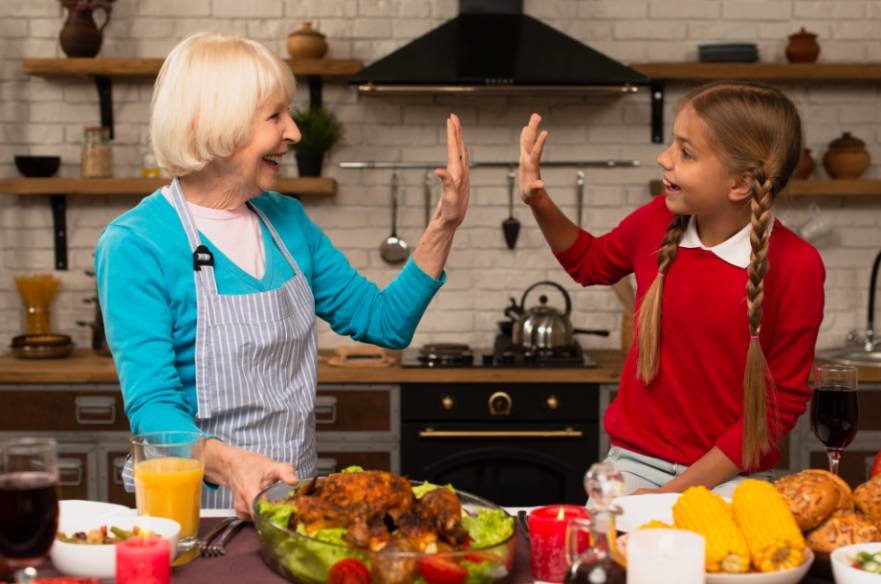
Comfort food often draws its meaning from familiarity. A particular recipe may recall a grandparent’s kitchen, a childhood dinner, or the same holiday meal served every year.
Casseroles offer recognizable sensory details: a browned topping, a soft filling, and the aroma released when someone serves the first portion. Those features can reinforce memories, although personal associations matter more than any universal casserole formula.
Regional favorites strengthen that connection. Minnesota hotdish, Texas King Ranch chicken casserole, and Southern squash casserole show how a flexible cooking format can become part of local identity.
Why Casseroles Still Belong in Modern Kitchens
Today’s versions can preserve familiar flavors while changing the ingredients. That flexibility also allows casseroles to move between different flavor preferences, much like the broader comparison of savory vs sweet comfort foods.
Some cooks replace condensed soup with homemade sauce, increase the vegetables, or use beans instead of meat.
Others keep cherished recipes exactly as their families remember them. Neither approach cancels the appeal of feeding several people from one dish. Adaptability helps casserole traditions survive changing preferences, household budgets, and cooking habits.
Frequently Asked Questions
1. What explains why casseroles became family comfort food staples?
Their affordability, convenient preparation, and generous portions made them practical meals. Repeated connections with family dinners, holidays, and acts of kindness added emotional significance.
2. Did casseroles originate in the 1950s?
No. Earlier baked dishes existed in many cuisines. The 1950s helped popularize American versions built around convenience foods and accessible bakeware.
3. Do all casseroles contain canned soup?
No. Homemade sauces, stock, eggs, and cheese can bind ingredients. Canned soup is a shortcut used in some familiar recipes.
4. Why are casseroles popular at potlucks?
They are convenient to transport, portion, and serve to a group. Many recipes also allow preparation before the gathering.
A Tradition Worth Bringing to the Table
I see the casserole’s lasting appeal in its ability to make feeding people manageable and meaningful. It stretches ingredients, welcomes adaptation, and gives families something familiar to share.
Whether I choose a classic recipe or a newer variation, the strongest reason to serve one remains simple: a prepared meal can make an ordinary evening easier and help people feel cared for.